Valhalla is one of the most well known locations in Norse mythology and is closely connected to ideas of death, honour, and the warrior ideal. Its name comes from Old Norse Valhöll, meaning “hall of the slain”. Valhalla is not simply a paradise for the dead, but a specific destination reserved for a particular type of person: those who died bravely in battle.
According to Norse myth, Valhalla is located in Asgard, the realm of the gods, and is ruled by Odin, the Allfather. Odin is a god of many aspects, including wisdom, magic, poetry, and war. As a war god, he takes a deep interest in human conflict, not out of cruelty but because war reveals courage, fate, and the limits of human will. Valhalla reflects this perspective, serving as both a reward for heroic warriors and a preparation ground for the final battle of the cosmos.
The warriors who enter Valhalla are known as the Einherjar, meaning “those who fight alone” or “single fighters”. They are chosen on the battlefield by Odin’s female attendants, the Valkyries. These supernatural figures ride over the battlefield after or during combat, selecting those who have shown exceptional bravery and skill. Importantly, not all who die in battle go to Valhalla. Some are taken to other realms, such as Fólkvangr, the domain of the goddess Freyja, highlighting that Norse views of the afterlife were complex and not limited to a single belief.
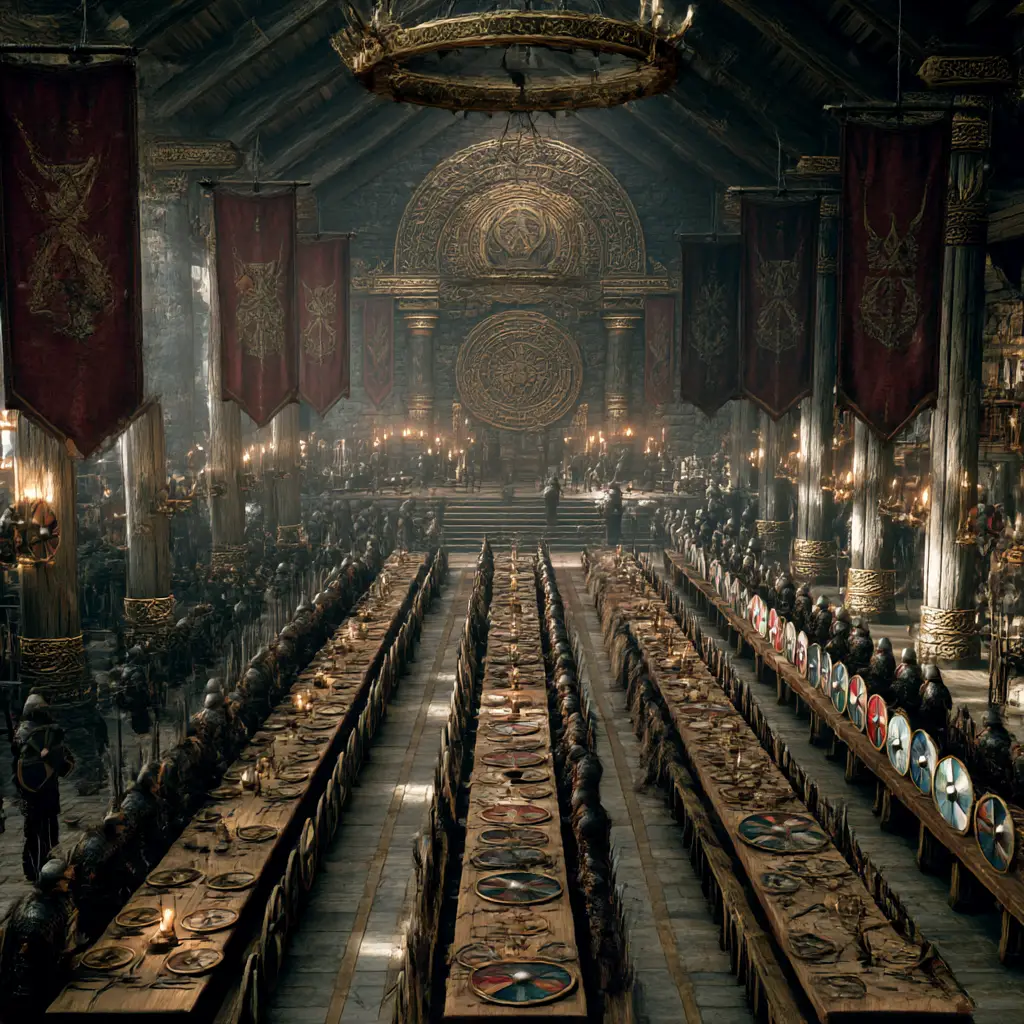
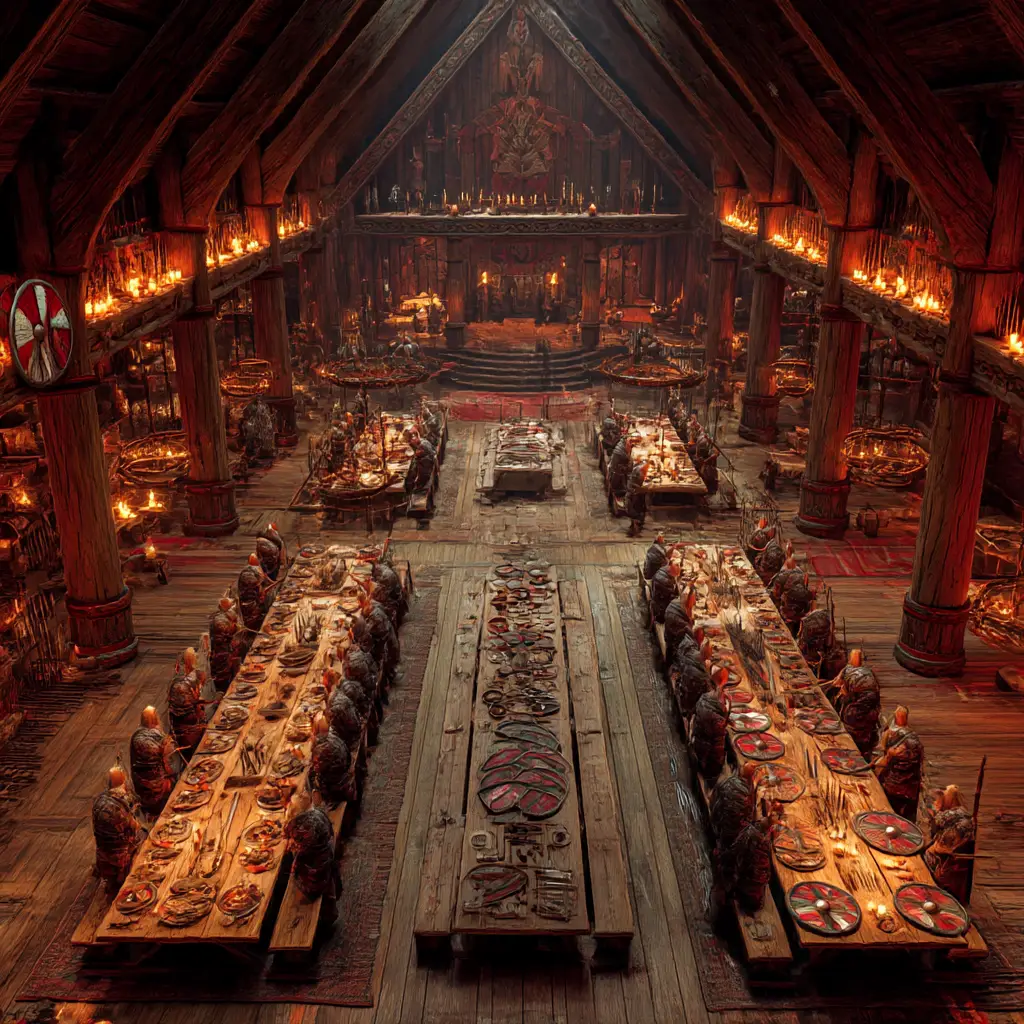
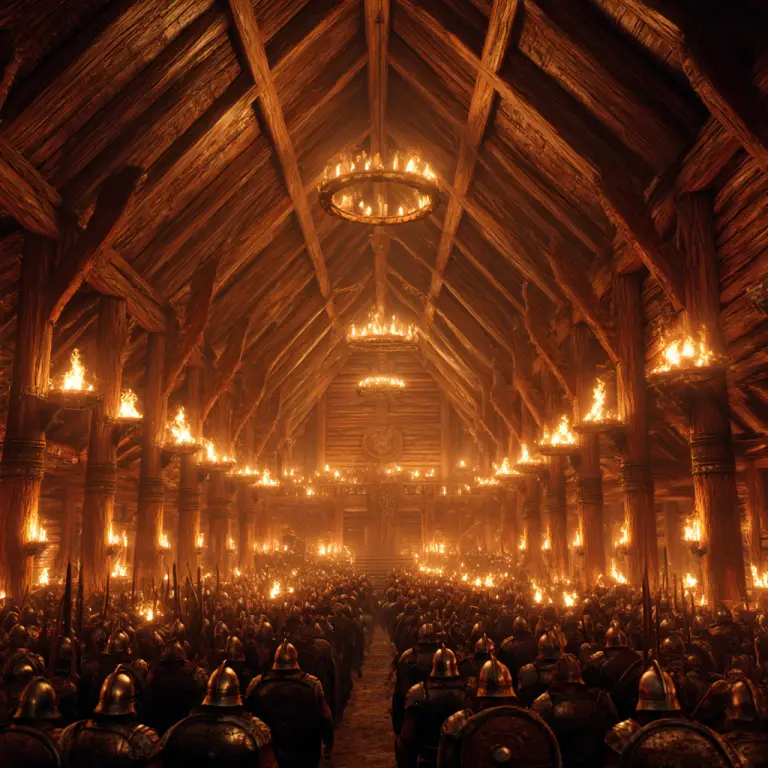
Valhalla itself is described as a vast and magnificent hall. It is said to have a roof made of golden shields, walls formed from spears, and benches covered with chainmail. The doors of Valhalla are enormous, with some sources stating there are 540 of them, each wide enough for hundreds of warriors to march through at once. These exaggerated descriptions emphasise strength, abundance, and readiness for war rather than comfort or peace.
Life in Valhalla follows a daily cycle that reflects the values of Viking Age warrior culture. Each day, the Einherjar arm themselves and fight one another in fierce battles across the fields outside the hall. These fights are not driven by hatred or rivalry, but by the need to train and to prove one’s worth. At the end of the day, all wounds are healed, and those who fell rise again, whole and strong. This endless cycle of battle and renewal removes the fear of death and reinforces the idea that honour and courage are more important than survival.
After the fighting, the warriors return to Valhalla to feast. The feasts are lavish and eternal. The main source of meat is the magical boar Sæhrímnir, who is cooked each night and restored to life each morning, ready to be eaten again. The drink of Valhalla is mead, which flows freely from the goat Heiðrún, who feeds on the leaves of the sacred tree Læraðr. These endless feasts symbolise abundance, fellowship, and reward, but also reinforce communal bonds among warriors.
Odin himself does not take part in the feasting in the same way as the Einherjar. Instead, he gives his food to his wolves, Geri and Freki, and survives on wine alone. This detail highlights Odin’s otherworldly nature and his separation from ordinary needs. He observes the warriors, gathering knowledge and preparing them for their ultimate purpose rather than enjoying the reward alongside them.
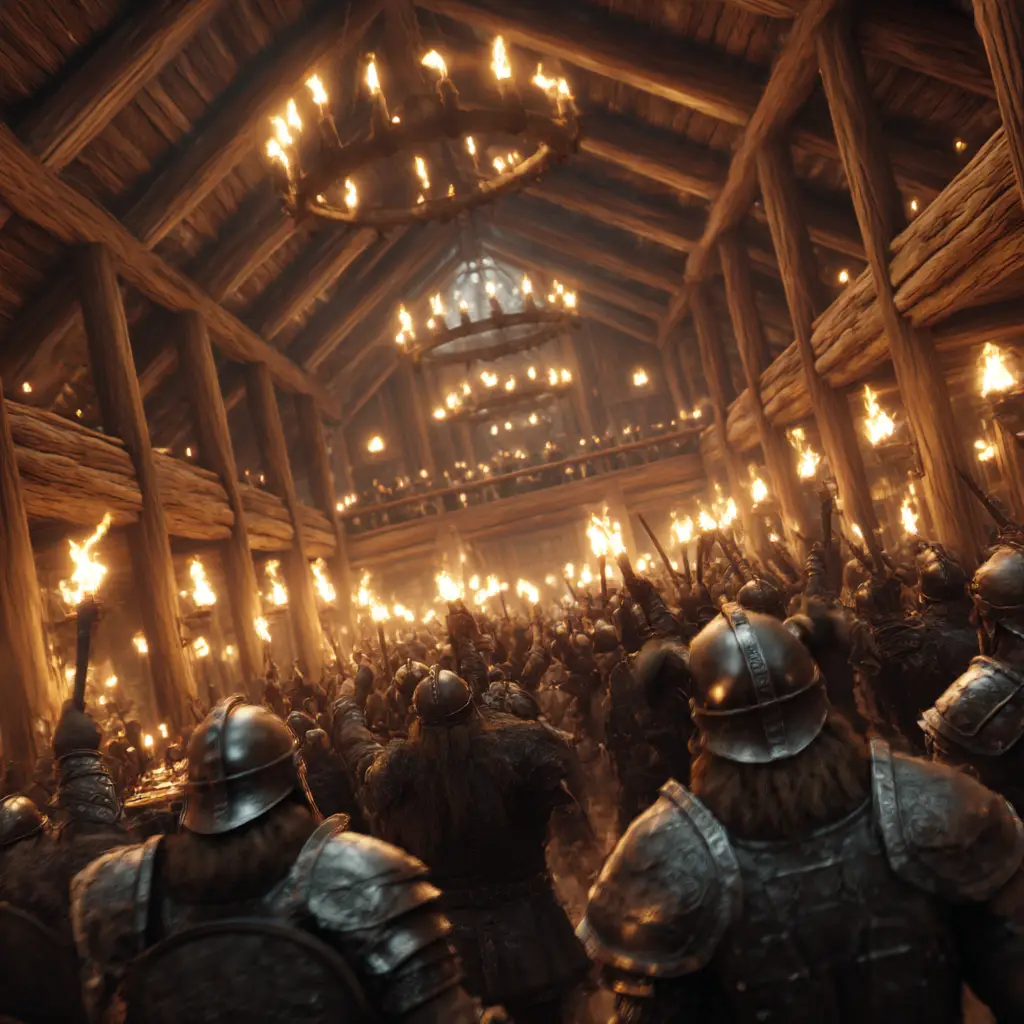
The true purpose of Valhalla is revealed in the myth of Ragnarök, the prophesied end of the world. At Ragnarök, the gods and their enemies will clash in a final, catastrophic battle. The Einherjar will march out of Valhalla alongside Odin to fight against the forces of chaos, including giants and monsters. Valhalla is therefore not a peaceful resting place, but a training hall for the end of time. This idea reflects a distinctly Norse worldview, in which even the gods are not immortal and fate cannot be avoided, only faced with courage.
Valhalla also reflects the social and cultural values of the Viking Age. Honour, loyalty, bravery, and reputation were central to Norse society. A glorious death in battle was seen as preferable to a long life without honour. Valhalla embodies these ideals by offering eternal recognition rather than rest. However, it is important to note that most people in Norse society were not warriors, and their beliefs about the afterlife were likely more varied and less focused on heroic combat than later myths suggest.
In modern times, Valhalla has become a powerful symbol rather than a literal belief. It appears in literature, art, film, and music as a representation of heroic death, warrior identity, and defiance in the face of fate. While popular culture often simplifies Valhalla as a general Viking heaven, the original myths present a more specific and demanding vision of the afterlife, one that celebrates struggle, preparation, and acceptance of destiny.
Valhalla remains one of the most enduring concepts in Norse mythology because it captures a stark and honest view of life and death. It does not promise peace or escape from conflict, but meaning through action, courage through struggle, and unity through shared purpose. In this way, Valhalla is less about reward and more about identity, showing what the Norse admired most in both gods and humans.