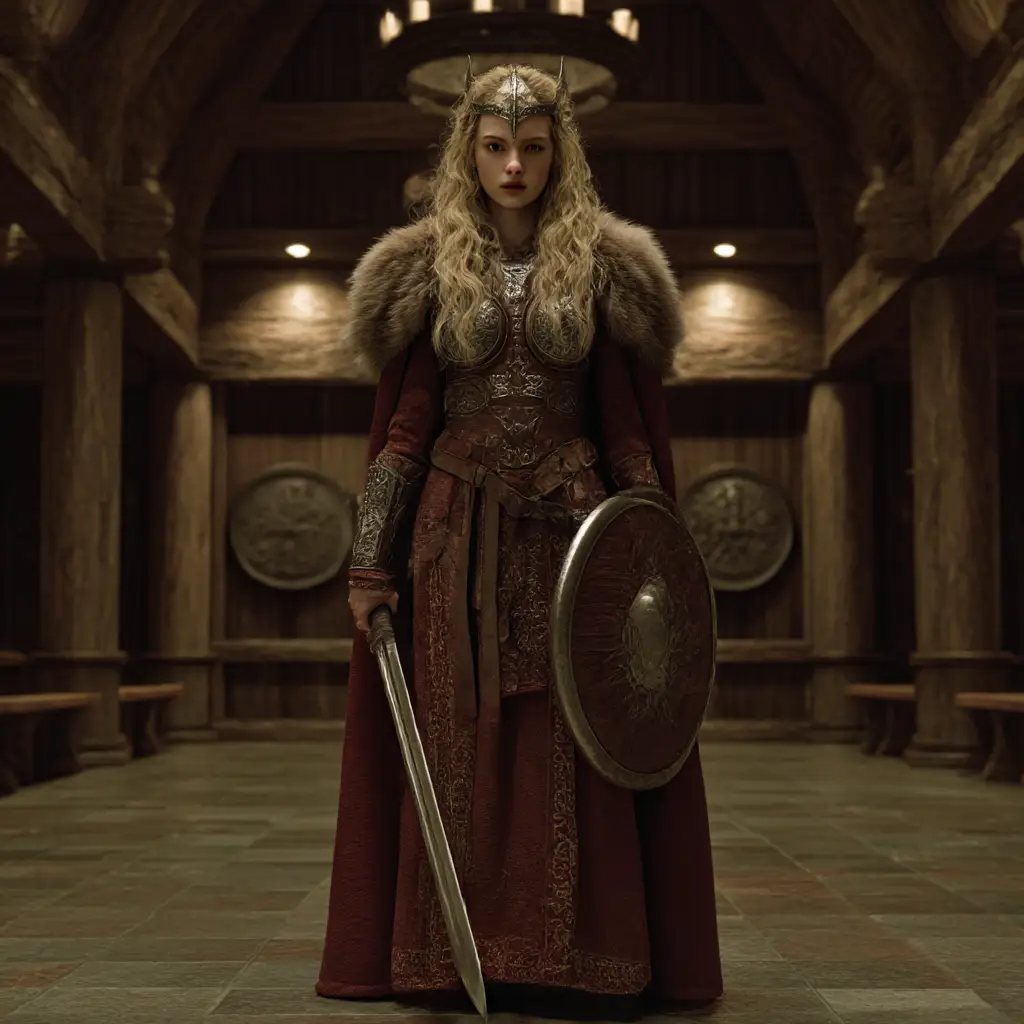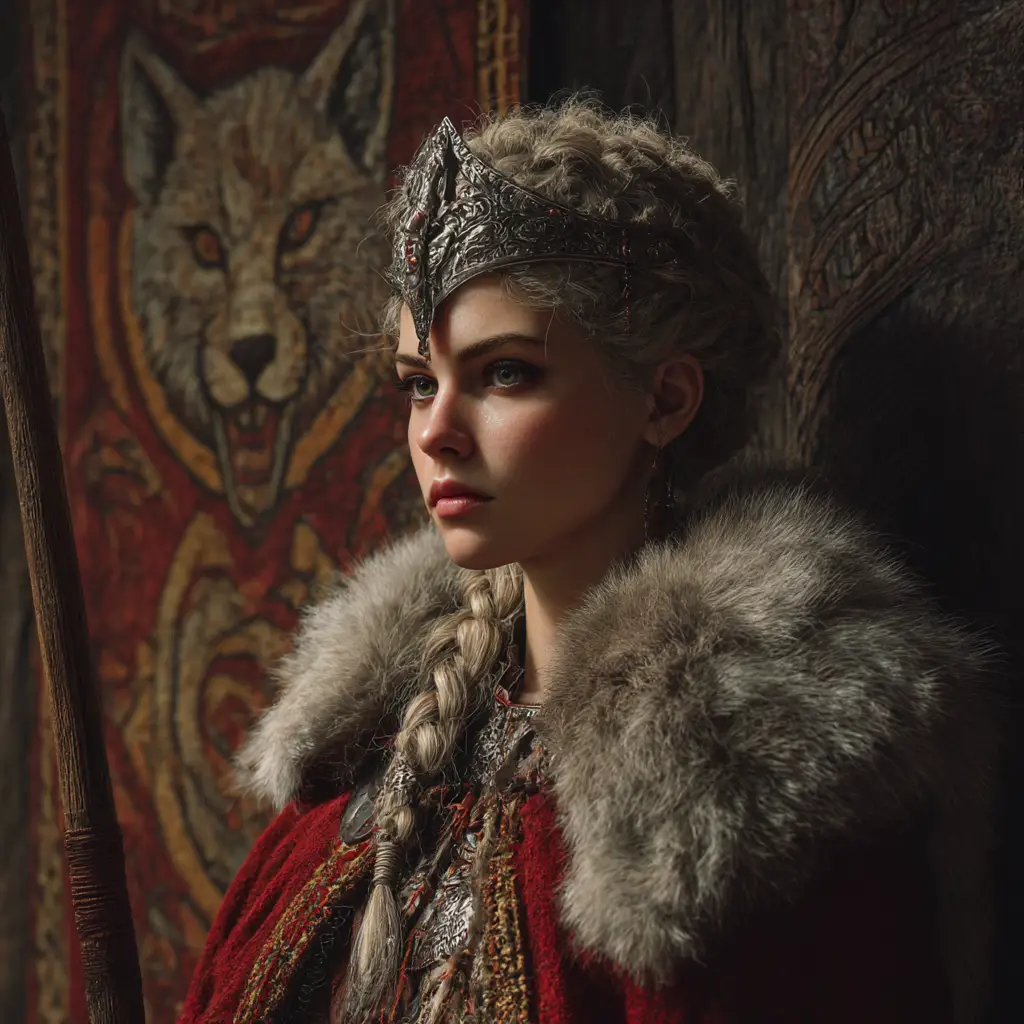
Folkvangr is one of the great halls of the Norse afterlife and is closely associated with the goddess Freyja. Its name is usually translated as “the field of the host” or “the people’s field”, suggesting a broad, open realm rather than a single enclosed building. In Old Norse belief, Folkvangr stands alongside Valhalla as a destination for those who fall in battle, making it one of the most important locations in Viking ideas about death, honour, and the afterlife.
Freyja and Her Domain
Folkvangr is ruled by Freyja, one of the most prominent goddesses in Norse mythology. She is associated with love, fertility, beauty, magic, and death, embodying both life-giving and destructive forces. As the mistress of Folkvangr, Freyja receives half of those who die in battle, while the other half are taken by Odin to Valhalla. This division highlights Freyja’s status as a powerful and independent deity, equal in many ways to Odin himself.
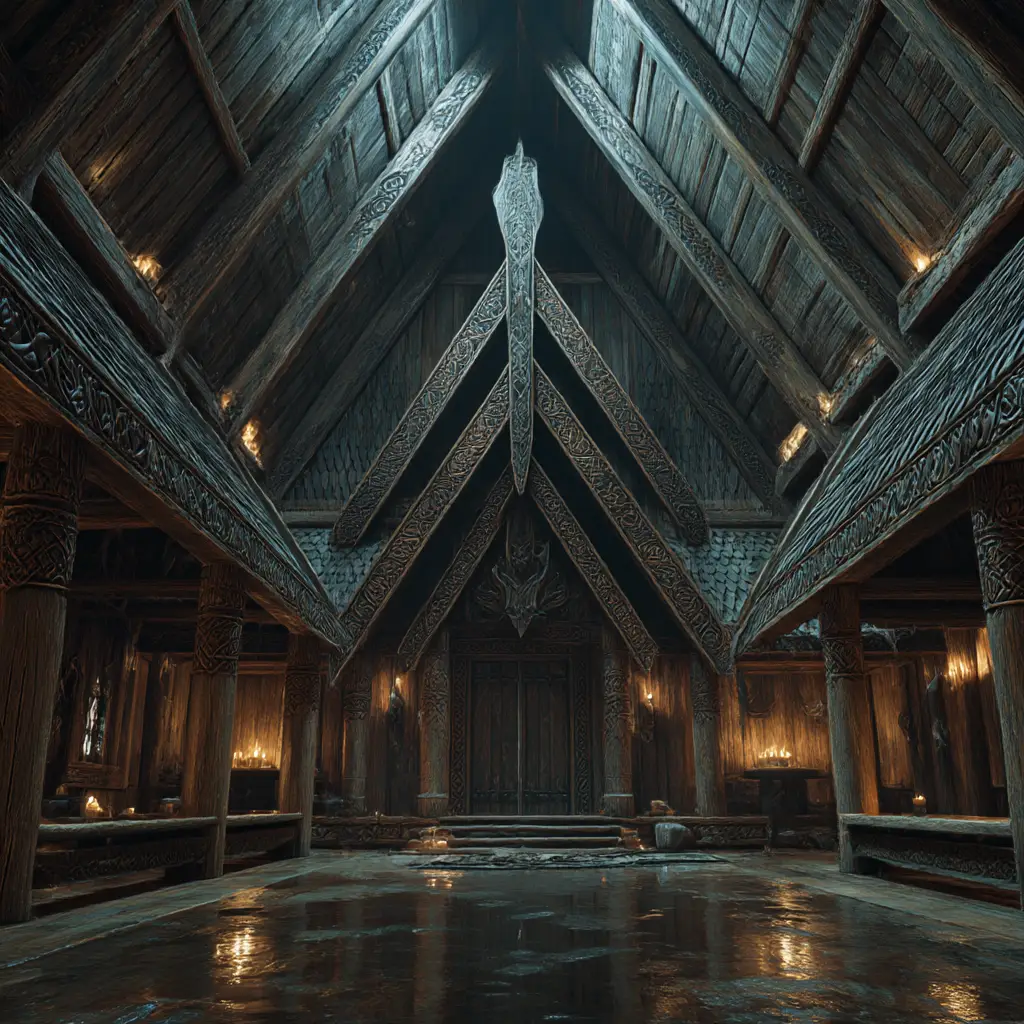
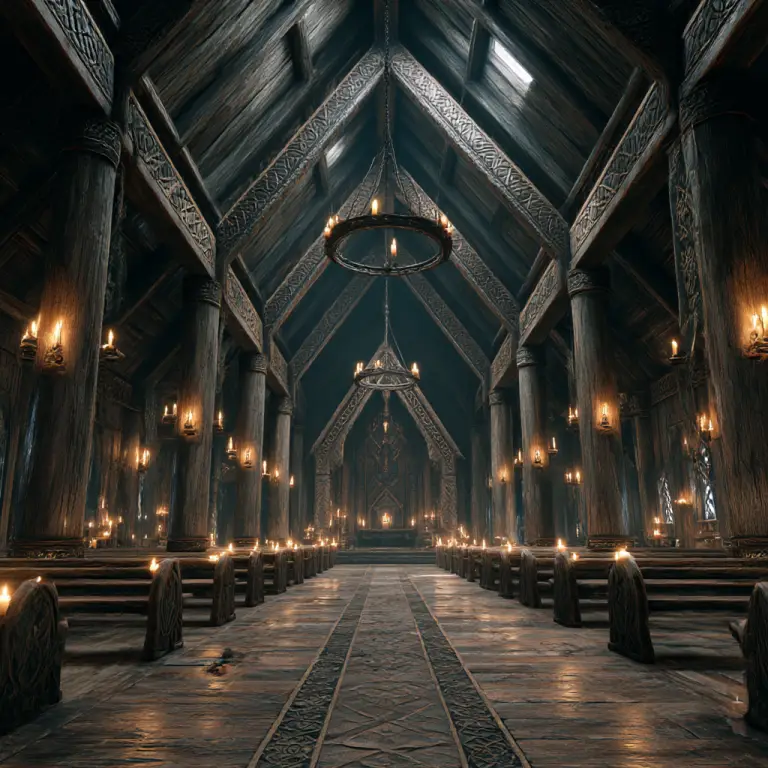
Freyja’s hall within Folkvangr is sometimes called Sessrúmnir. In Old Norse, Sessrúmnir is usually translated as “the hall of many seats” or “the hall with many rooms”. The name suggests abundance, hospitality and the ability to receive many guests, all qualities expected of a divine hall that welcomes the honoured dead. Sessrúmnir is located in Fólkvangr.
Who Goes to Folkvangr
According to the Poetic Edda, those who die in battle are divided between Odin and Freyja. While Valhalla is usually portrayed as the primary destination for heroic warriors, Folkvangr is no less prestigious. Being chosen by Freyja implies honour, courage, and worthiness. Some scholars suggest that Folkvangr may have been especially associated with warriors who fought bravely but did not fit Odin’s specific needs for Ragnarök, the final battle of the gods.
There is also speculation that Folkvangr may have been more inclusive than Valhalla, possibly receiving not only elite warriors but also other honoured dead. However, the surviving sources are fragmentary, and much of Folkvangr’s role remains open to interpretation.
Folkvangr Compared to Valhalla
Valhalla is described in vivid detail as a vast hall with a roof of shields and spears for rafters, where the einherjar train daily and feast nightly. Folkvangr, by contrast, is described more as a realm or field, with Sessrúmnir as its central hall. This difference may reflect contrasting aspects of the afterlife: Valhalla as a place of preparation and warfare, and Folkvangr as a domain of honour, abundance, and Freyja’s own form of guardianship.
The fact that Freyja receives the first choice of the slain in some interpretations further elevates Folkvangr’s importance. Rather than being secondary to Valhalla, it may have been seen as an equally desirable, or even preferable, destination.
Symbolism and Meaning
Folkvangr represents more than a resting place for the dead. As a field or plain, it symbolises openness, fertility, and continuity, themes strongly linked to Freyja. The fallen who dwell there are not merely warriors awaiting the end of the world, but honoured dead under the care of a goddess who bridges life, death, and rebirth.
The pairing of Freyja and Odin in dividing the slain also reflects a balance between masculine and feminine divine powers in Norse belief. Death in battle is not claimed by a single god, but shared between two figures who represent different aspects of fate, power, and cosmic order.
Folkvangr in Modern Understanding
Today, Folkvangr remains one of the more intriguing and less clearly defined realms of Norse mythology. Its limited descriptions invite interpretation and imagination, making it a popular subject in modern literature, art, and neopagan practice. For many, Folkvangr symbolises an alternative vision of the heroic afterlife, one that values honour and bravery without reducing the afterlife solely to endless combat.
In the wider landscape of Norse cosmology, Folkvangr stands as a reminder that the Viking view of death was complex and varied. It was shaped not only by war and heroism, but also by reverence for powerful goddesses, fertile lands, and the enduring connection between the living and the dead.