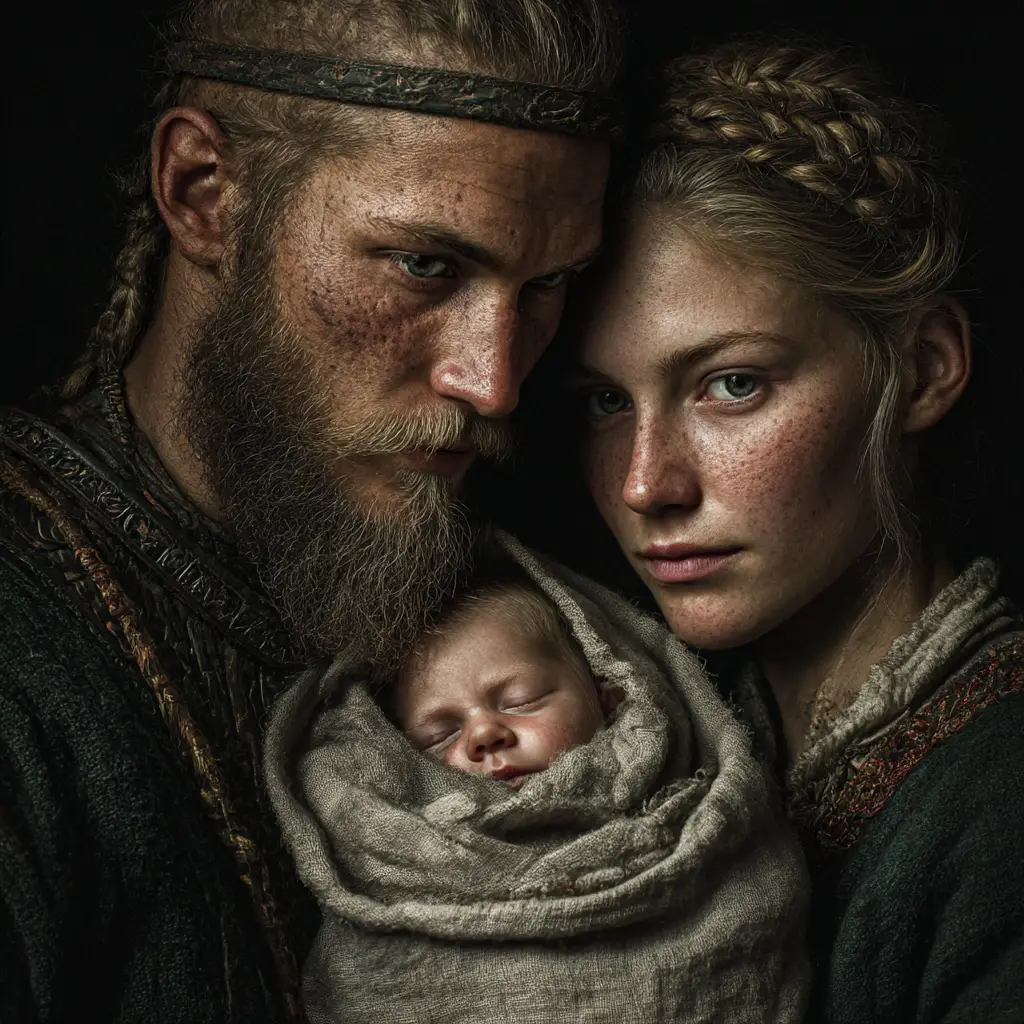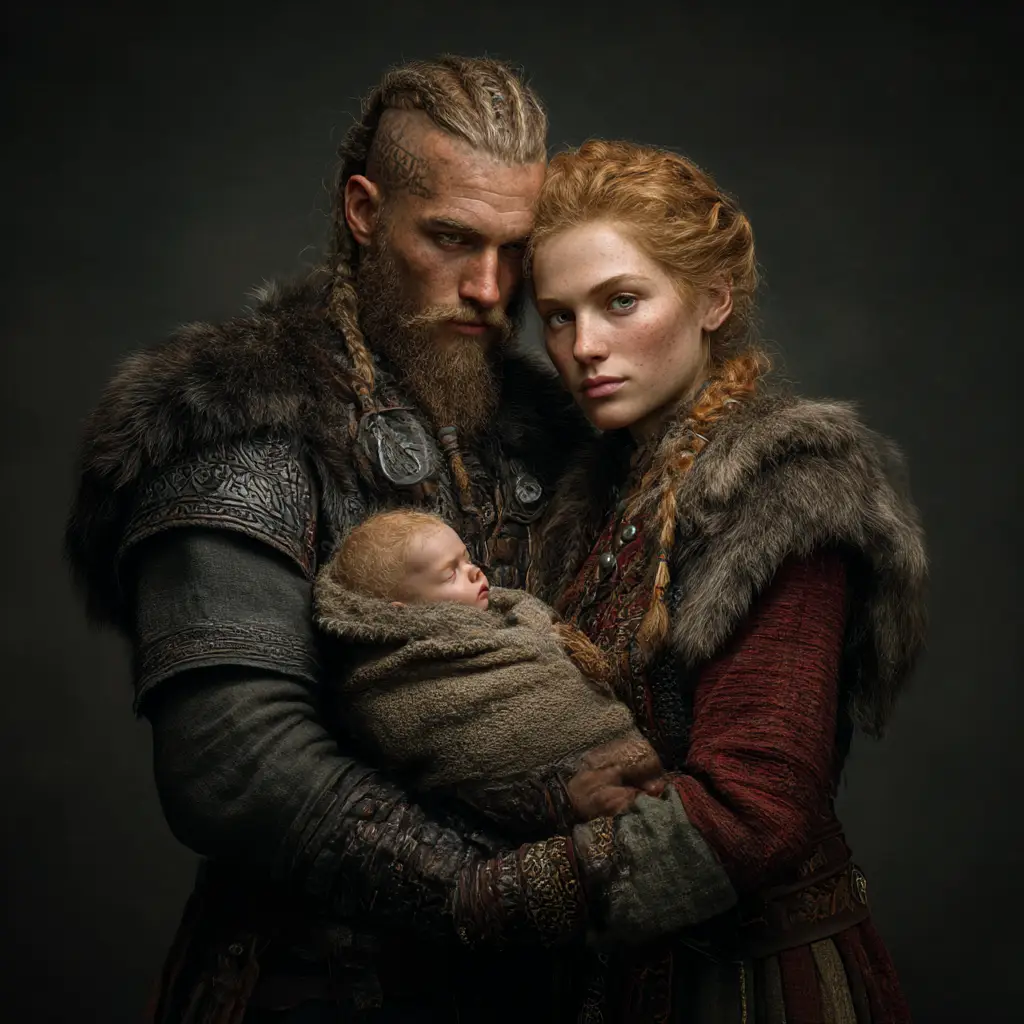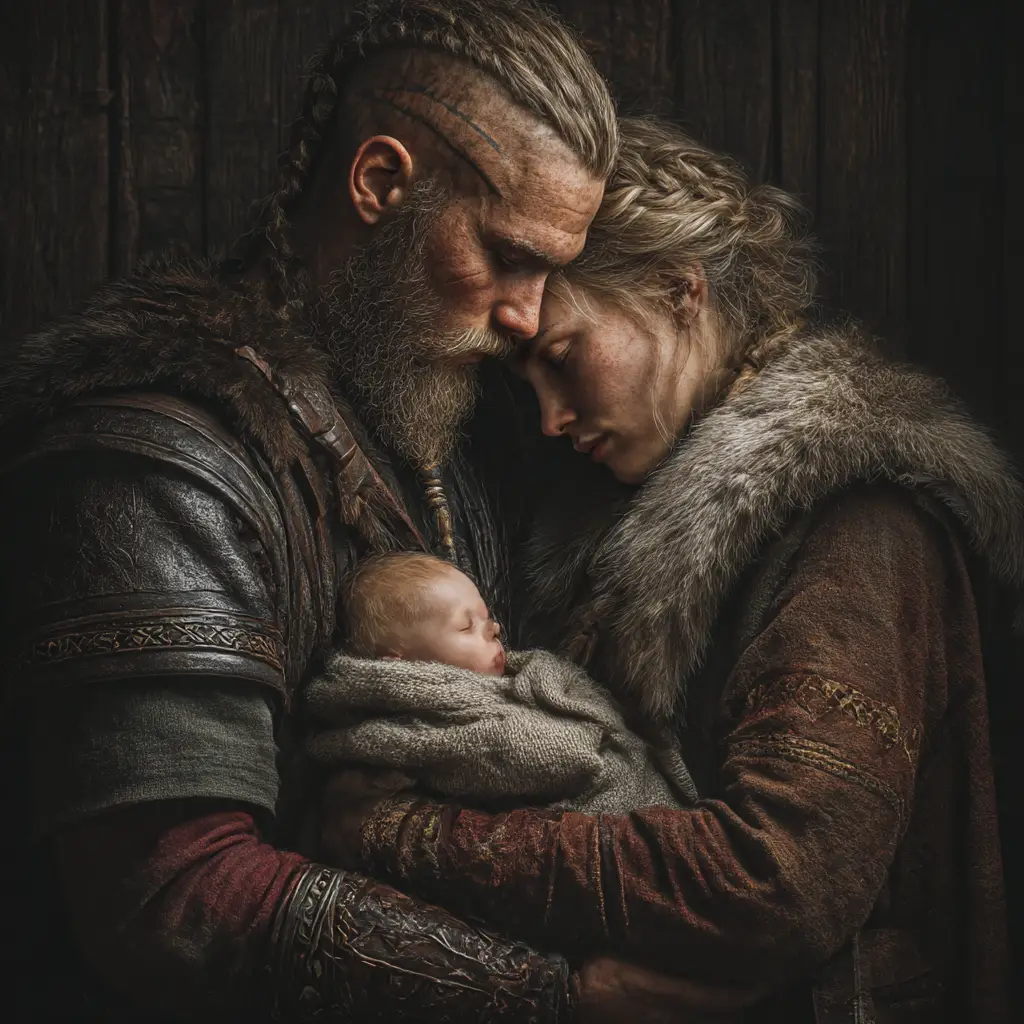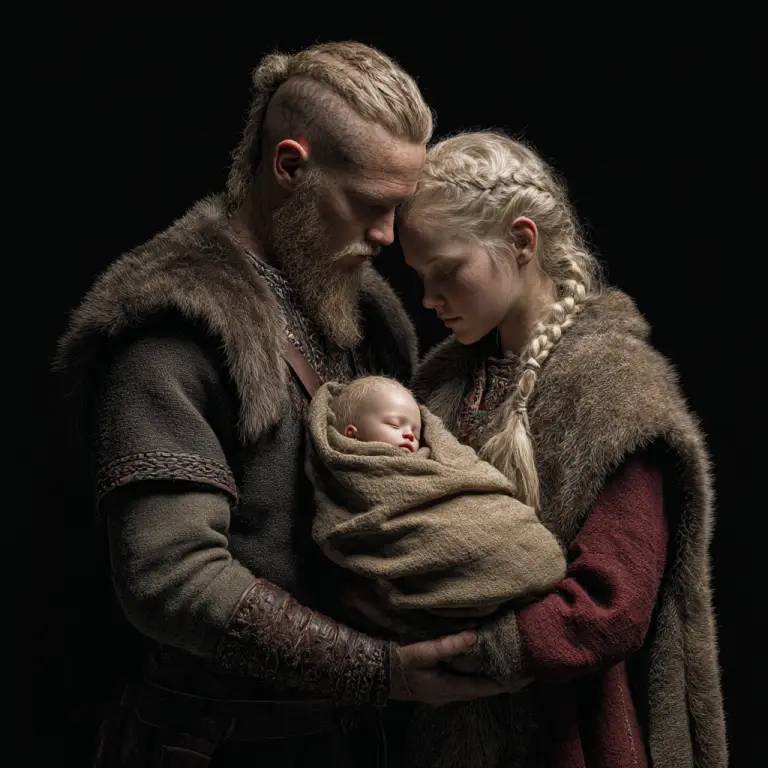
There is no solid evidence that Vikings regularly sacrificed babies, and most historians consider the idea unlikely. Claims about baby sacrifice appear occasionally in modern retellings, but when you look closely at the archaeology and written sources, the picture becomes much more cautious and complex.
Viking Age society, roughly from the late 8th to the 11th century, did practice ritual sacrifice. These acts are usually referred to by the Old Norse term blót and involved offerings to gods or spirits. What is well supported by evidence is the sacrifice of animals, especially horses, cattle, pigs, and sheep. These sacrifices were often connected to seasonal festivals, communal feasting, and political gatherings. Human sacrifice is also mentioned in some sources, but it appears to have been rare and exceptional rather than routine.
The written accounts that describe human sacrifice mostly come from outsiders, such as Christian monks or travellers from the Islamic world. The most famous example is the 10th century traveller Ahmad ibn Fadlan, who described a funeral among the Rus, a Norse-related group in Eastern Europe. In his account, a young enslaved woman was killed during the burial of an elite man. This is one of the clearest descriptions of a human death connected to ritual practice, but it does not involve a baby, and it describes a specific, high-status funeral rather than a common religious act.
Medieval Christian writers sometimes accused pagan societies, including the Vikings, of killing children. These accounts must be treated carefully. Christian authors often portrayed pre-Christian religions as cruel or immoral in order to contrast them with Christianity. Claims of baby sacrifice fit well into this kind of polemic and are not backed up by physical evidence from Viking Age Scandinavia.
From an archaeological perspective, infant remains have been found at Viking Age sites, but their presence alone does not indicate sacrifice. Infant mortality was high in the early medieval period due to disease, malnutrition, and complications at birth. Babies were sometimes buried in unusual locations, such as near houses or farm buildings, which has led to speculation. However, these burials are more plausibly explained by local burial customs, practical concerns, or social attitudes toward infants rather than deliberate ritual killing.
There is also occasional discussion of exposure, meaning the abandonment of unwanted infants, which was known in several ancient and medieval societies. While exposure is mentioned in some later Scandinavian laws and sagas, there is no clear evidence that it was a religious act or that it involved ritual sacrifice. It appears to have been a social practice linked to poverty, illness, or family circumstances, not organised worship.
Modern popular culture often exaggerates or invents dramatic practices to make Viking society seem more brutal or mysterious. Baby sacrifice is one of those ideas that sounds shocking but does not stand up well to scrutiny. Serious historical research relies on a combination of archaeology, contemporary texts, and comparative studies, and none of these provide convincing proof that Vikings commonly sacrificed babies.
In summary, while the Vikings did practise ritual sacrifice, and while rare cases of human sacrifice may have occurred, there is no reliable evidence that baby sacrifice was part of Viking religion or everyday life. Most historians view such claims as misunderstandings, later inventions, or distortions created long after the Viking Age ended.