The death of Baldr is one of the most famous and tragic stories in Norse mythology. It marks the beginning of a chain of events that eventually leads to Ragnarök, the destruction and rebirth of the world. Despite its serious themes of fate and loss, the story also contains moments of irony and dark humour, reflecting the unique storytelling style of the Norse myths.
Who Was Baldr
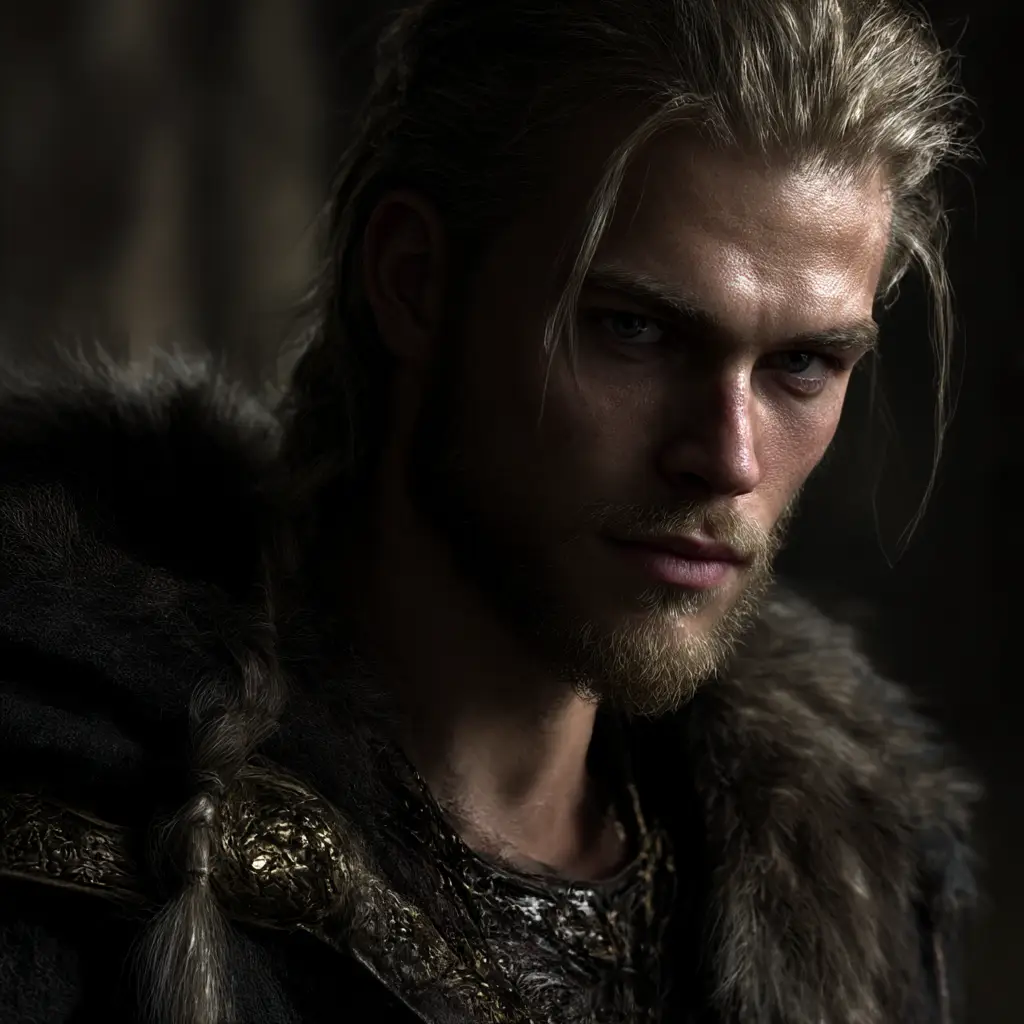
Baldr was one of the most beloved gods in the Norse pantheon. The son of Odin and Frigg, he was associated with light, purity, beauty and fairness. According to the myths, Baldr was so good and gentle that nothing in the world wished him harm. His presence brought peace and joy to the gods in Asgard.
Baldr lived in a magnificent hall called Breidablik, a place said to be so pure that nothing unclean could exist within its walls. Among the gods, he was widely admired, and his fate would eventually bring great sorrow to both gods and humans.
Baldr’s Troubling Dreams
The story begins when Baldr starts having dark and troubling dreams. These dreams seemed to foretell his death, something that deeply worried the gods. Since Baldr was loved by everyone in Asgard, the thought of losing him was unthinkable.
Odin, always concerned with knowledge and prophecy, set out to learn the meaning behind the dreams. According to the myths recorded in the Poetic Edda, Odin travelled to the realm of the dead to question a seeress. The prophecy confirmed the gods’ worst fears: Baldr’s death was inevitable.
This revelation caused alarm among the gods, but Frigg, Baldr’s mother, decided to take action.
Frigg’s Oaths of Protection
Determined to keep her son safe, Frigg travelled throughout the world asking every object and creature to swear an oath that it would never harm Baldr. Fire, water, stones, trees, metals, animals and diseases all gave their promise.
Confident that Baldr was now protected, Frigg returned to Asgard believing she had prevented the prophecy from coming true.
However, there was one small exception.
Frigg overlooked the mistletoe, a small and seemingly harmless plant. She believed it was too young and insignificant to pose any threat. This single oversight would prove disastrous.
The Gods’ Game
Once the gods realised that Baldr could not be harmed, they turned his invulnerability into a form of entertainment. In the fields of Asgard, they began throwing objects at him to see them bounce harmlessly away.
Weapons, stones and even heavy objects were hurled in his direction, only to fall aside without leaving so much as a scratch. Baldr stood calmly while the others tested his supposed immortality. What began as reassurance soon became a regular pastime among the gods.
Watching all of this from the sidelines was Loki.
Loki’s Deception
Loki, the trickster god, was known for his cunning and unpredictable nature. Curious about Baldr’s immunity, he decided to investigate further.
Disguised as an old woman, Loki approached Frigg and asked about Baldr’s protection. Frigg proudly explained how she had secured promises from everything in existence.
During the conversation, she casually mentioned that mistletoe had been left out because it seemed too small and harmless to matter.
Loki quickly realised the opportunity.
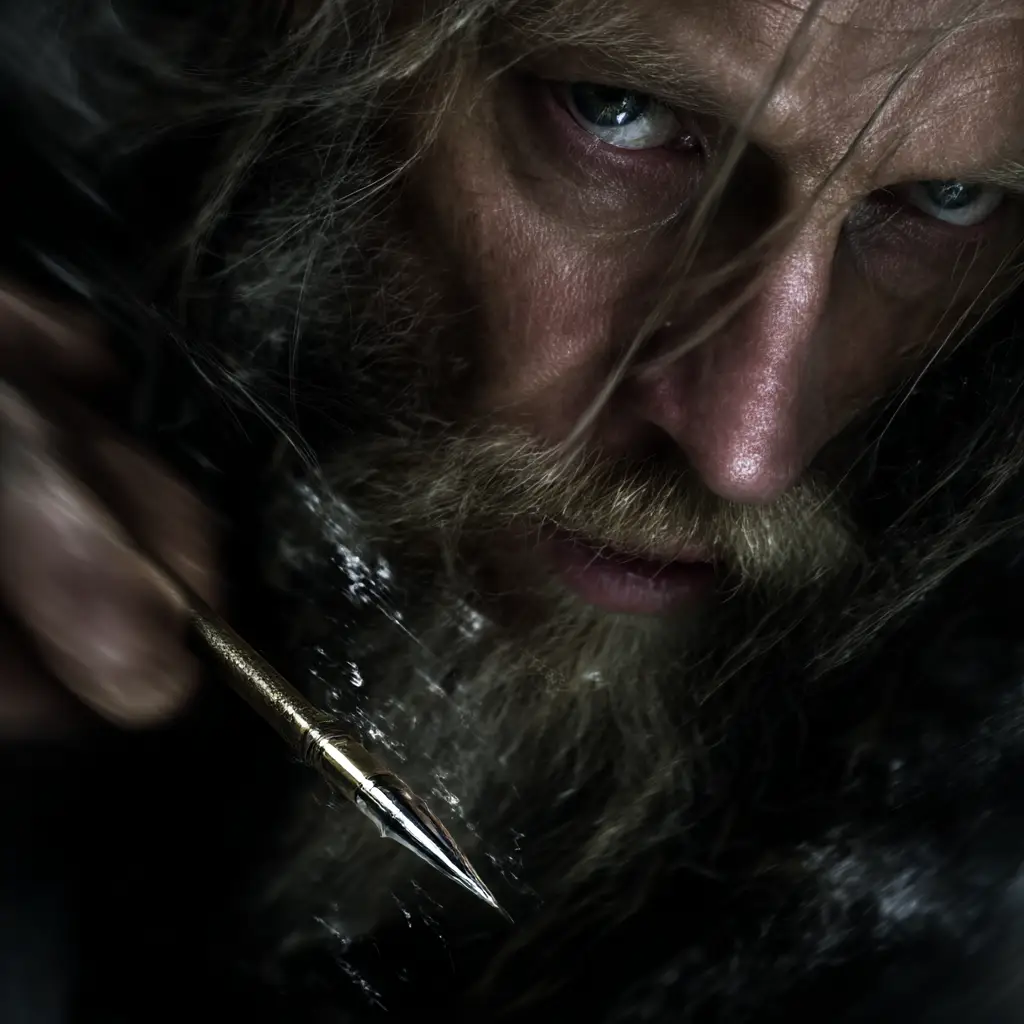
He left immediately and found a piece of mistletoe. From it he crafted a small dart or spear.
The Role of Höðr
Among the gods was Höðr, Baldr’s blind brother. Because he could not see, he had been standing apart from the others while they threw objects at Baldr.
Loki approached Höðr and offered to help him join the game so that he would not feel left out. Guiding Höðr’s hand, Loki placed the mistletoe dart in his grip and aimed him toward Baldr.
Höðr threw the dart.
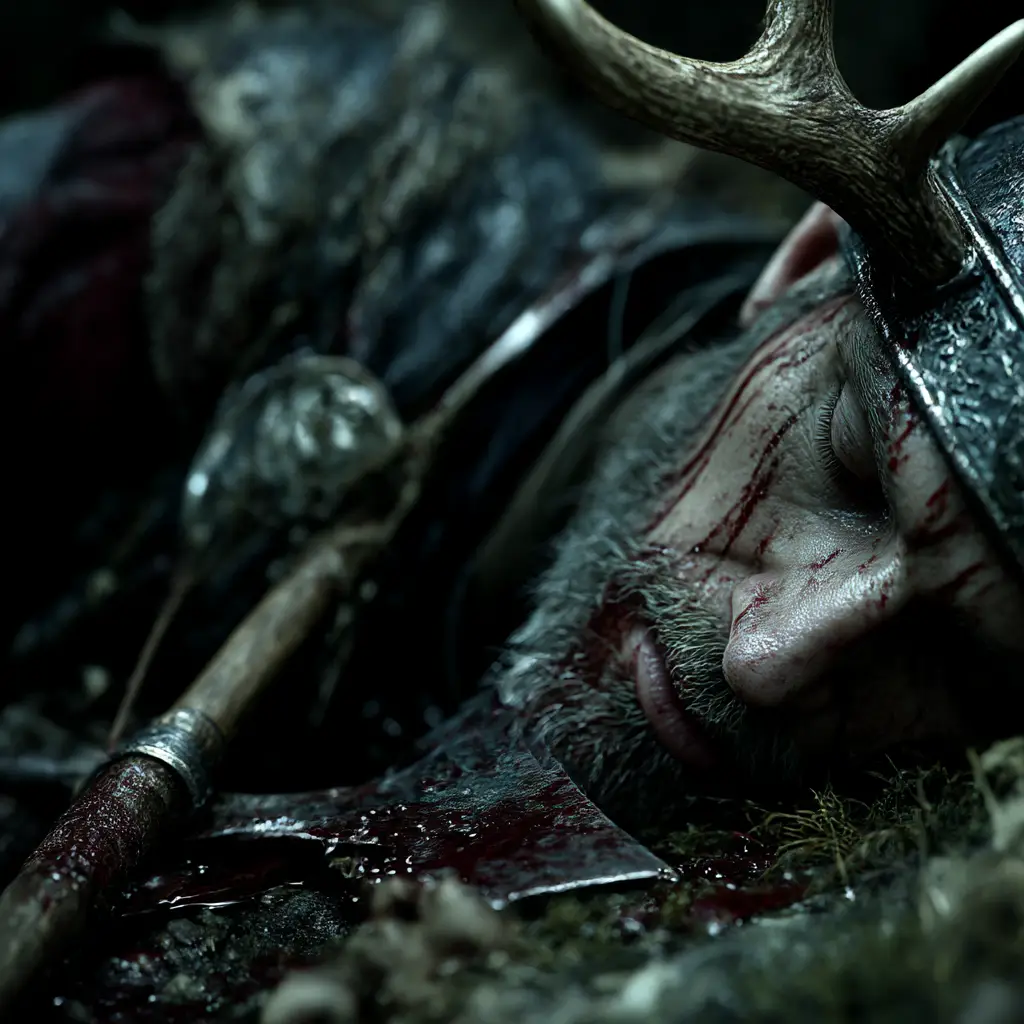
Unlike everything else that had been used before, the mistletoe pierced Baldr and killed him instantly.
The cheerful gathering of the gods turned into silence and shock. The unthinkable had happened.
The Gods’ Grief
Baldr’s death plunged the gods into deep sorrow. The most beloved figure in Asgard was gone, and the prophecy had come true despite their efforts to prevent it.
His body was carried to the great ship Hringhorni, said to be the largest ship ever built. There, Baldr’s funeral was held. His wife Nanna was so overcome with grief that she died during the ceremony and was placed on the funeral pyre beside him.
The ship was set alight and pushed out to sea, sending Baldr into the realm of the dead.
The Journey to Hel
Baldr’s soul travelled to the realm ruled by Hel, the daughter of Loki. Determined to bring him back, Odin sent the god Hermóðr to plead for Baldr’s return.
Hel agreed to release Baldr on one condition. Every being in the world had to weep for him. If everything mourned, Baldr could return to the land of the living.
Messengers travelled across the world, and almost every creature and object shed tears for Baldr.
Almost.
The Refusal
One giantess named Thökk refused to weep. She claimed Baldr had brought her no joy in life and therefore she would not mourn him in death.
Because of this refusal, Hel declared that Baldr must remain in the realm of the dead.
The giantess Thökk was widely believed to be Loki in disguise once again, ensuring that Baldr’s return would fail.
Consequences and the Road to Ragnarök
Baldr’s death did not go unpunished. Loki’s role in the tragedy eventually led to his capture by the gods. As punishment, he was bound with magical restraints deep within a cave, where venom from a serpent dripped onto him.
The loss of Baldr was also seen as a turning point in the cosmic story of Norse mythology. His death signalled that the gods themselves were not immune to fate.
The events that followed would eventually lead to Ragnarök, the final battle in which many gods, including Odin and Thor, would fall.
Baldr After Ragnarök
Despite the darkness surrounding his death, Baldr’s story contains a hint of hope. Norse mythology tells that after Ragnarök, when the world is reborn, Baldr will return from the realm of the dead.
He will live in the new world alongside the surviving gods, symbolising renewal and the restoration of balance.
In this way, the story of Baldr is both a tragedy and a reminder that even in the harsh world of Norse myth, destruction is often followed by renewal.