Serpents of Grímnismál and the Line of Grafvitnir
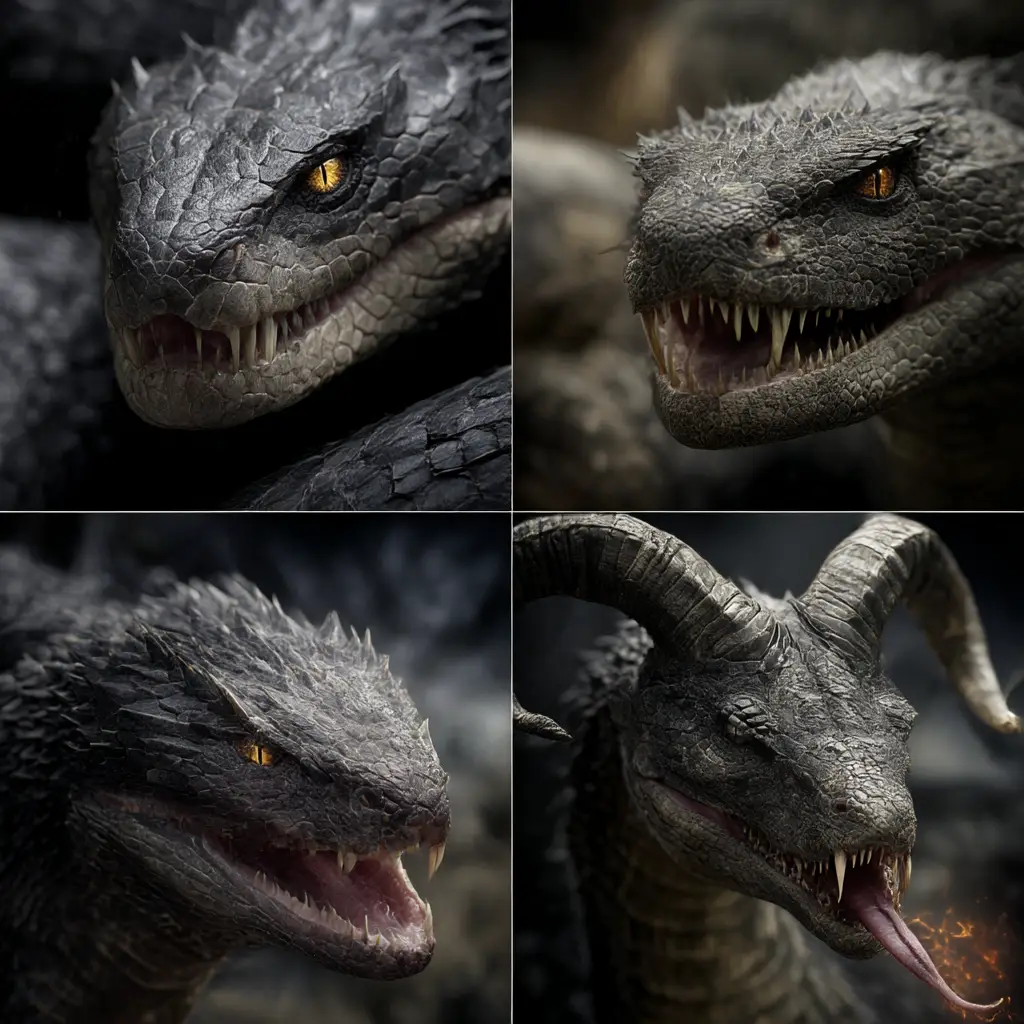
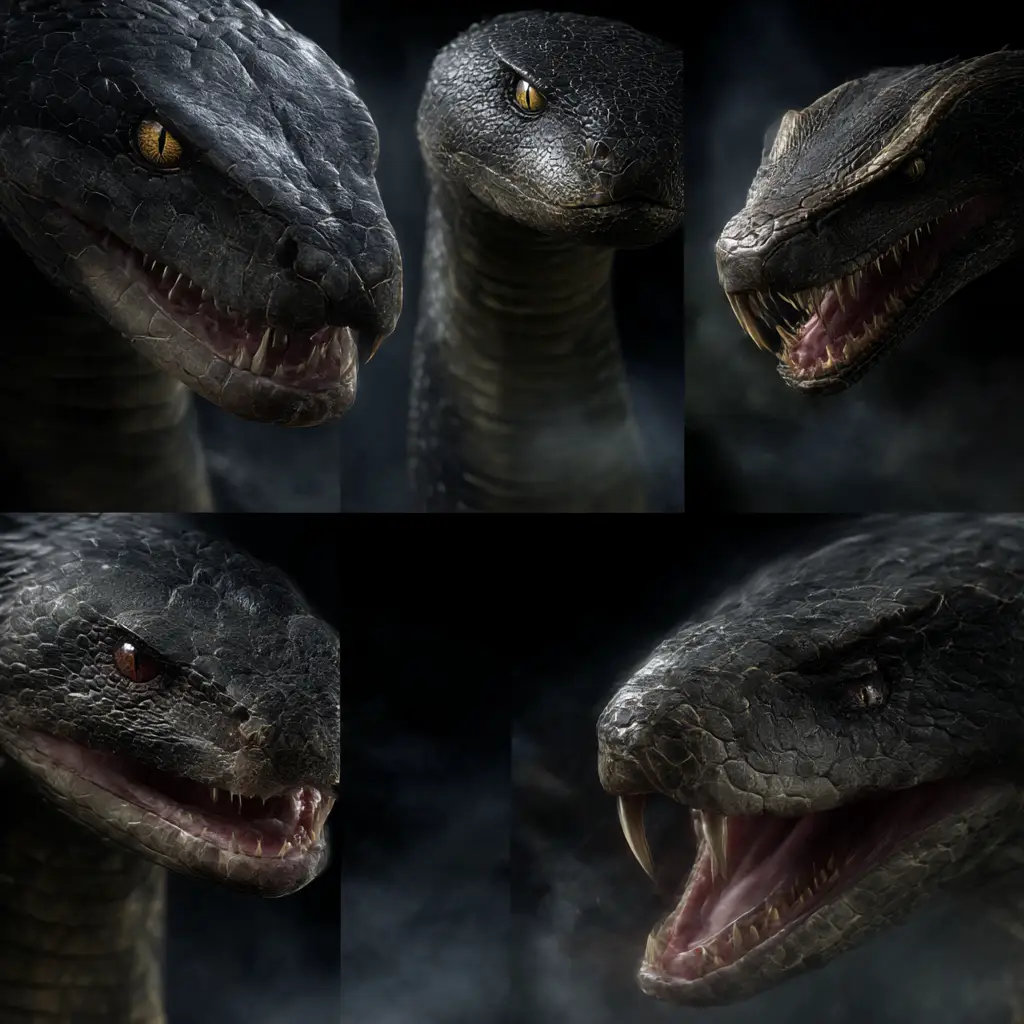
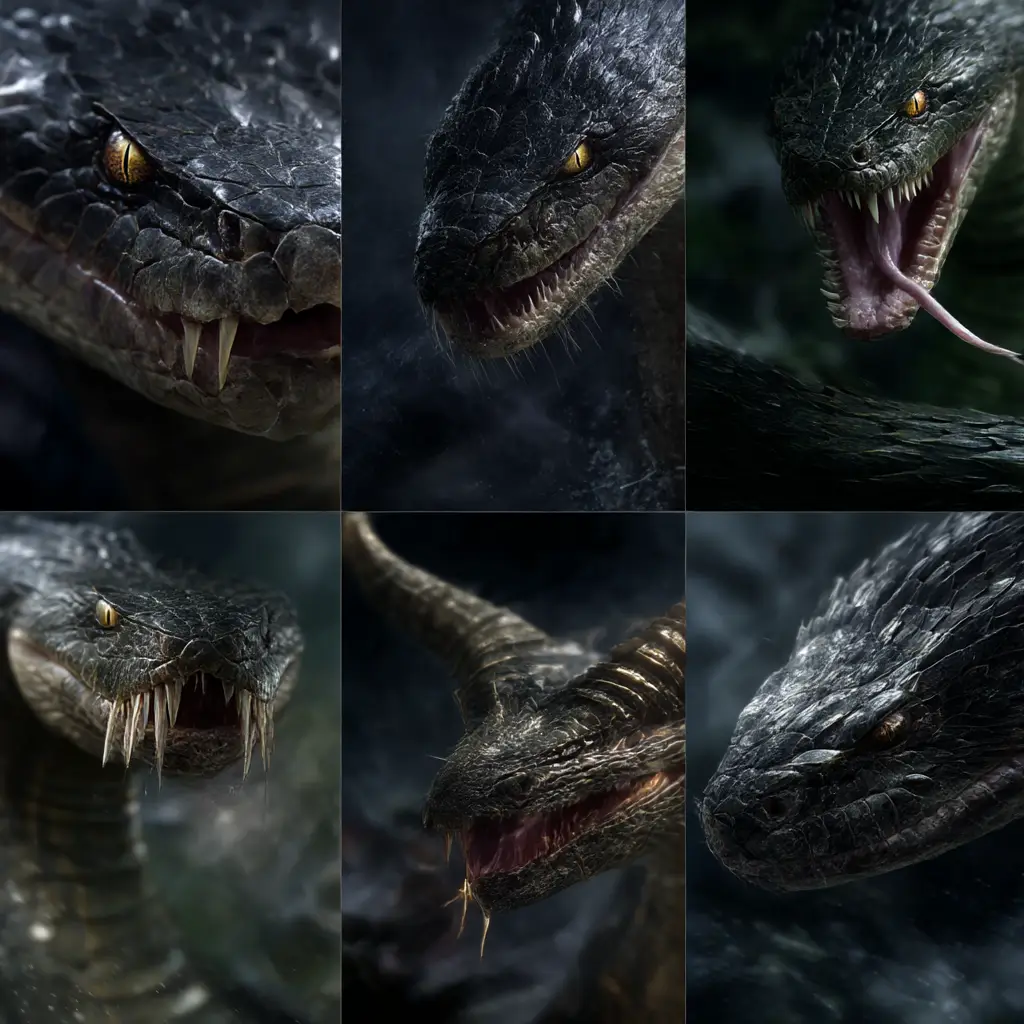
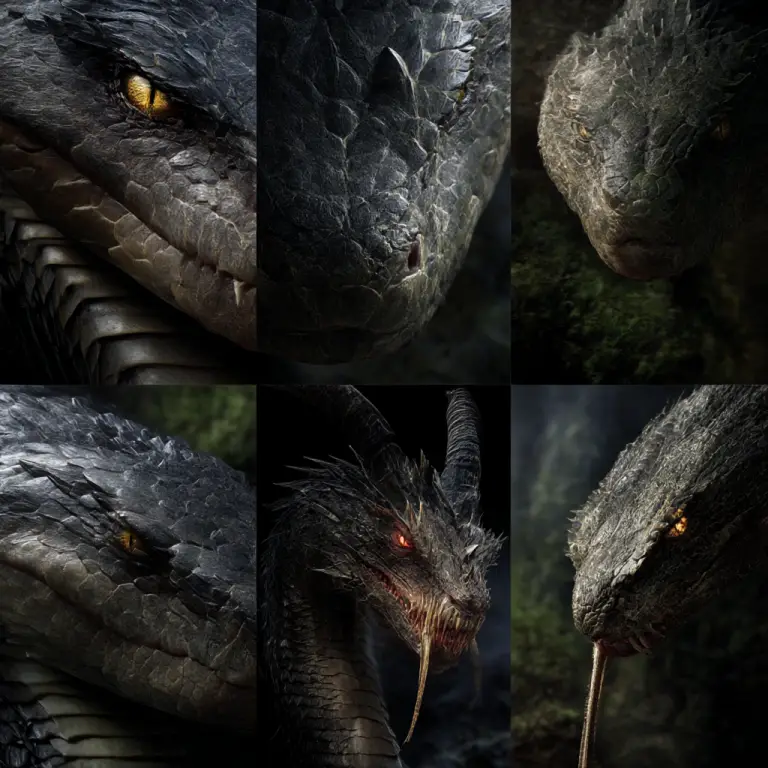
In Norse cosmology, the great ash tree Yggdrasil binds together the Nine Worlds, its roots and branches stretching across the fabric of existence. Beneath its surface, however, is a less harmonious reality. Among the creatures that gnaw at its roots are a group of serpents named in the poem Grímnismál: Goin and Moin, Grabak and Grafvolluth, Ofnir and Svafnir. These serpents are described as the offspring of the shadowy figure Grafvitnir, a being associated with decay and the hidden, corrosive forces beneath the world.
Sources and Context
The names of these serpents appear in a brief but evocative passage in Grímnismál, part of the Poetic Edda, a 13th-century compilation of earlier oral traditions. The poem is framed as a monologue by Odin, who reveals cosmological knowledge while in disguise. Within this catalogue of mythic detail, the serpents are listed among the many creatures that inhabit or afflict Yggdrasil.
Unlike more prominent figures such as Nidhogg, these serpents are not given individual stories. Their significance lies in their collective role and symbolic weight rather than in narrative development.
The Serpents and Their Names
The six serpents—Goin, Moin, Grabak, Grafvolluth, Ofnir, and Svafnir—are often interpreted through the meanings or associations of their names:
- Goin and Moin are sometimes linked to movement or burrowing, suggesting creatures that work persistently beneath the surface.
- Grabak may be understood as “grave-back” or “one who carries decay,” evoking death and the underworld.
- Grafvolluth combines elements associated with digging or burial, reinforcing themes of erosion and dissolution.
- Ofnir and Svafnir are names also used as epithets of Odin, adding an intriguing layer of ambiguity and possible symbolic overlap between divine knowledge and destructive force.
These interpretations are not definitive, as Old Norse poetry often relies on layered meanings and wordplay. What is clear is that the serpents are tied to the unseen processes that undermine stability.
Role in Norse Cosmology
The serpents are described as dwelling beneath Yggdrasil, gnawing at its roots. This imagery reflects a broader theme in Norse mythology: the constant tension between creation and destruction. The world tree is not a static or invulnerable structure; it is alive, subject to wear, decay, and eventual collapse.
In this context, the serpents represent:
- Entropy and decay – the slow, inevitable breakdown of all things.
- Hidden forces – processes that operate out of sight but shape the fate of the world.
- Cosmic balance – their destructive role is part of a larger cycle that includes growth, renewal, and ultimately Ragnarök.
They exist alongside other creatures of Yggdrasil, such as the eagle in its branches and the squirrel Ratatoskr, forming a complex ecosystem of symbolic interactions.
Relationship to Grafvitnir
The identification of these serpents as sons of Grafvitnir places them within a lineage of chthonic beings—entities associated with the earth, graves, and the underworld. Grafvitnir himself is an obscure figure, but his name suggests a “grave-wolf” or “burial serpent,” reinforcing the association with death and the hidden depths.
By linking the serpents to a common progenitor, the tradition emphasises their shared nature as agents of decay. They are not random creatures but part of a broader mythological pattern in which destruction has origins, structure, and continuity.
Interpretation and Significance
Although briefly mentioned, these serpents contribute to a deeper understanding of Norse cosmology. The myths do not present the universe as orderly or permanent. Instead, they depict a world under constant pressure from opposing forces.
The presence of Goin, Moin, Grabak, Grafvolluth, Ofnir, and Svafnir beneath Yggdrasil suggests that:
- Stability is always temporary.
- Destruction is not an anomaly but a fundamental aspect of existence.
- Even the most sacred structures are vulnerable to gradual decline.
In this way, the serpents serve as a reminder that the Norse worldview embraces impermanence. The roots of the world tree are always being tested, and the fate of the cosmos is shaped as much by what lies beneath as by what stands above.