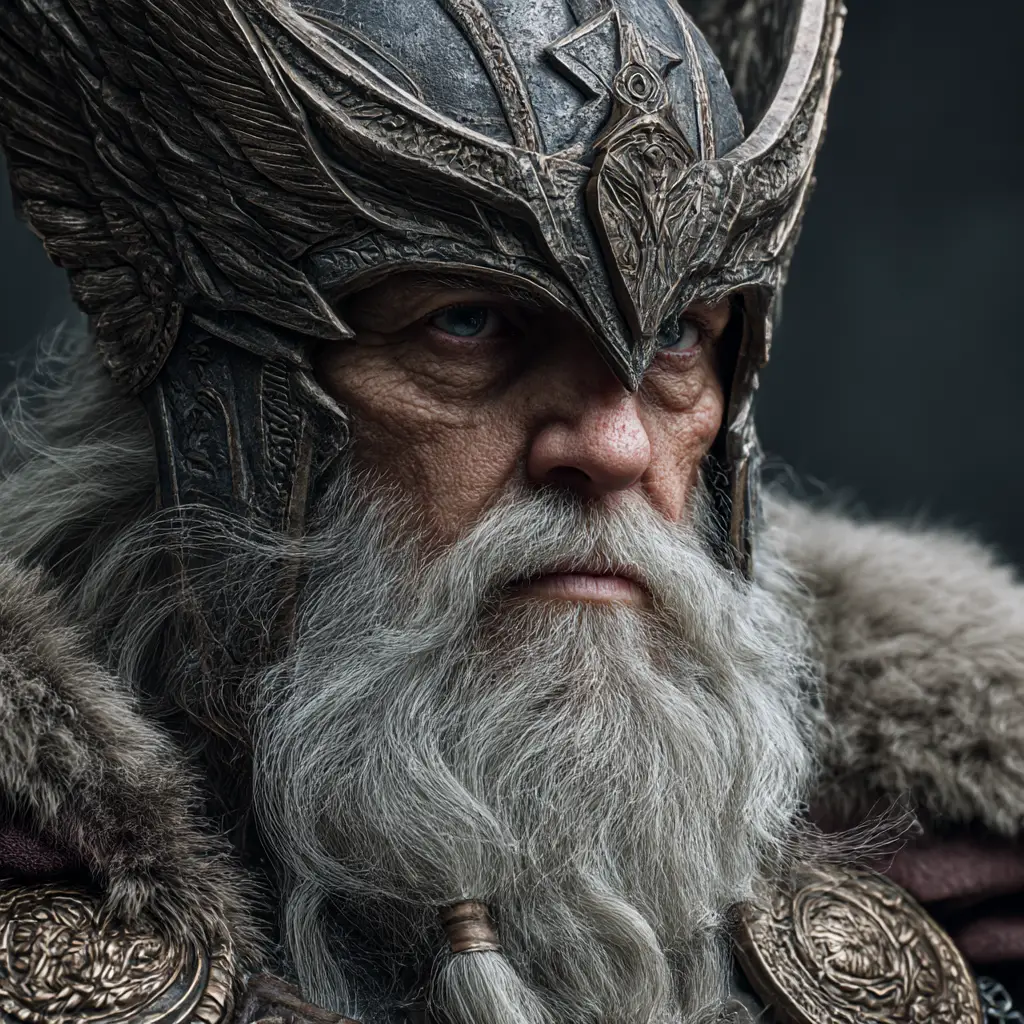
Odin is one of the most complex figures in Norse mythology, and the range of names he has used reflects the many roles he occupies. Each name offers a different insight into how he was understood by those who worshipped him, from wise wanderer to fierce god of war. The following overview explores the most recognised names attributed to Odin and the stories or qualities connected to each.
Allfather
This title highlights Odin as the chief of the gods and the overarching figure who guides fate. It presents him as the father of the Aesir and the one who shapes the world through will and wisdom.
Woden
A name used in Anglo-Saxon tradition, showing Odin’s influence across northern Europe. Woden carries associations with inspiration, magic, poetry and leadership.
The Wanderer
Odin often appears in disguise, travelling the world in the form of an old man with a cloak and staff. Under this name he is seen as a seeker of knowledge and truth, willing to walk unknown paths to learn what others cannot.
Grimnir
Meaning masked or hooded one, Grimnir reflects Odin’s habit of hiding his identity. It appears in stories where he tests mortals or gods, revealing his wisdom only when the lesson is complete.
Bolverk
Translating roughly to worker of harm, this name is linked to the tale of Odin stealing the mead of poetry. It reflects his willingness to bend rules and use cunning when the pursuit of knowledge demands it.
Hrafnagud
Known as the Raven God, Odin is accompanied by Huginn and Muninn, his two ravens who fly across the world to gather information. This name emphasises his role as the collector of hidden truths.
Valfather
Meaning the father of the slain, this title connects Odin with warriors who fall in battle. It reflects his authority over Valhalla, where chosen warriors reside in preparation for the final battle of Ragnarok.
Ygg
A name linked to the world tree, Yggdrasil. The word Ygg refers to terror or awe, connecting Odin to the tree on which he sacrificed himself for nine nights to gain the knowledge of runes.
Galdraföthr
Known as the father of spells, this name underscores Odin’s mastery of magic. He is credited with the creation and understanding of deep mystical arts, including runic knowledge and enchantment.
Farmagud
A name that associates him with burden or responsibility. This reflects the weight of fate and prophecy that Odin carries, as well as his relentless pursuit of preparing the cosmos for what is to come.
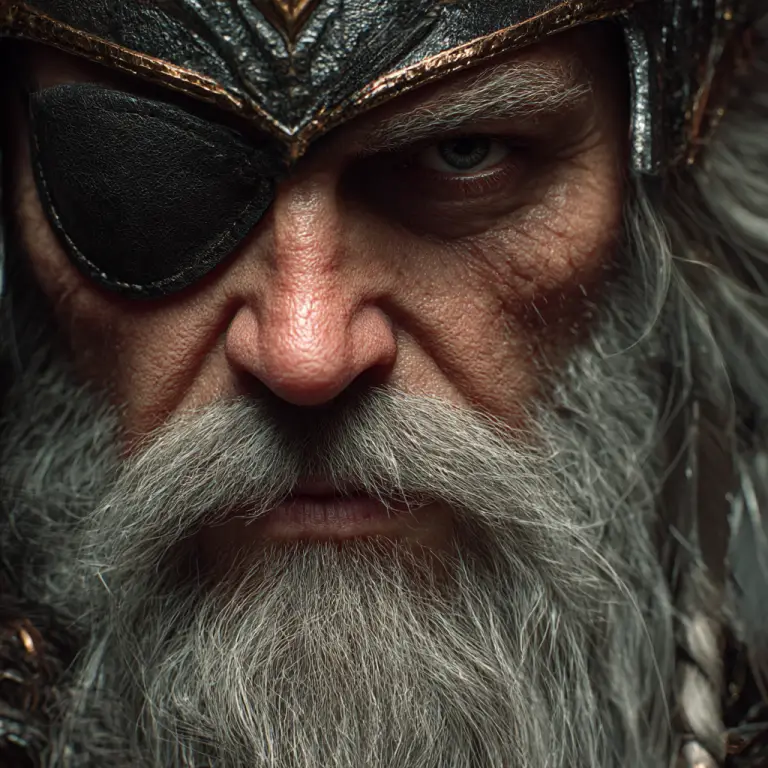
The One-Eyed God
In exchange for wisdom, Odin sacrificed one of his eyes at the well of Mimir. This name is a constant reminder of his willingness to trade physical sight for deeper understanding.
High One, Just-As-High and Third
These three names appear in the Edda during a conversation where Odin speaks through multiple personas. They express different aspects of his authority, knowledge and perspective.
Why Odin Uses So Many Names
Odin’s names serve several purposes. Some were titles given by worshippers, capturing the qualities that mattered most to them. Others were names he chose for himself when travelling in disguise or undertaking secret quests. Many highlight a specific story, talent or sacrifice. Together, they paint a picture of a god who is never confined to one form or function. Odin is at once a ruler, a wanderer, a warrior, a magician and a seeker of truths that lie beyond the reach of ordinary beings.