Grafvitnir in Norse Tradition
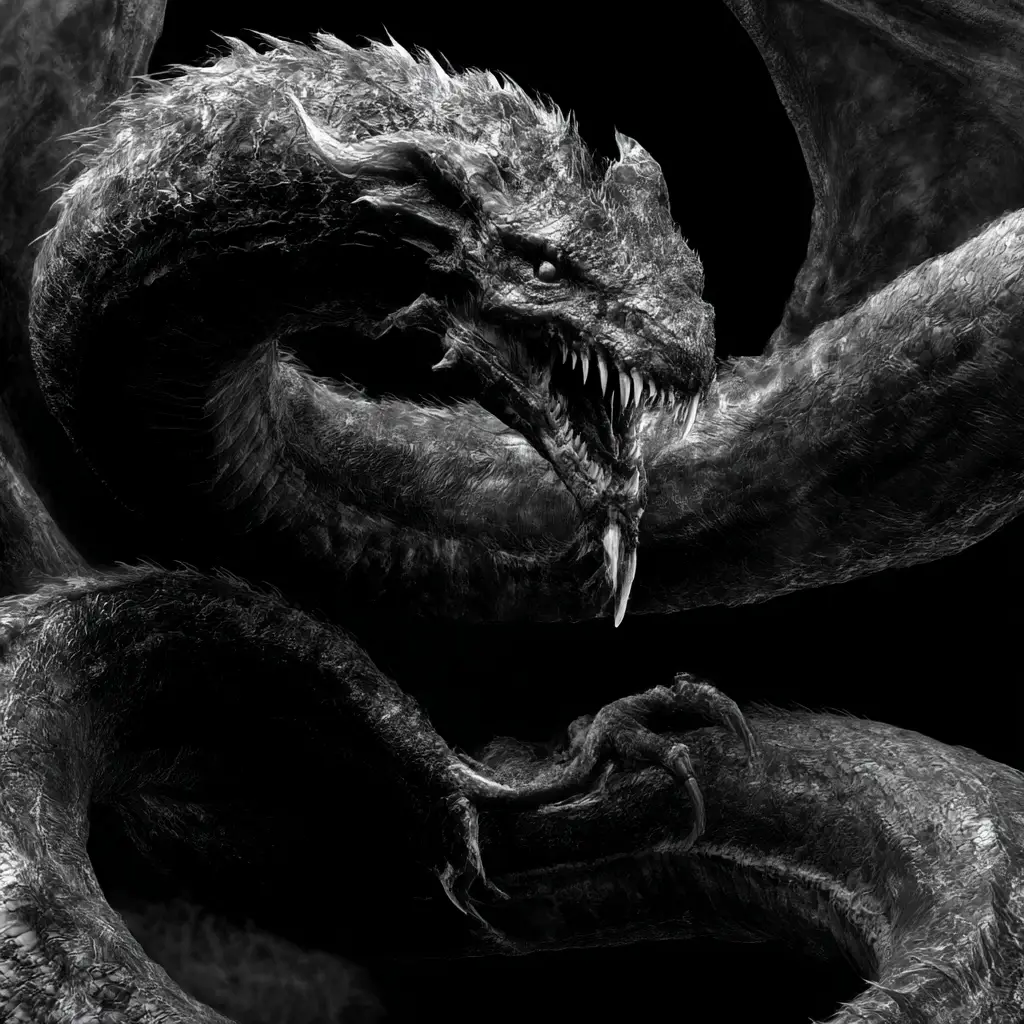
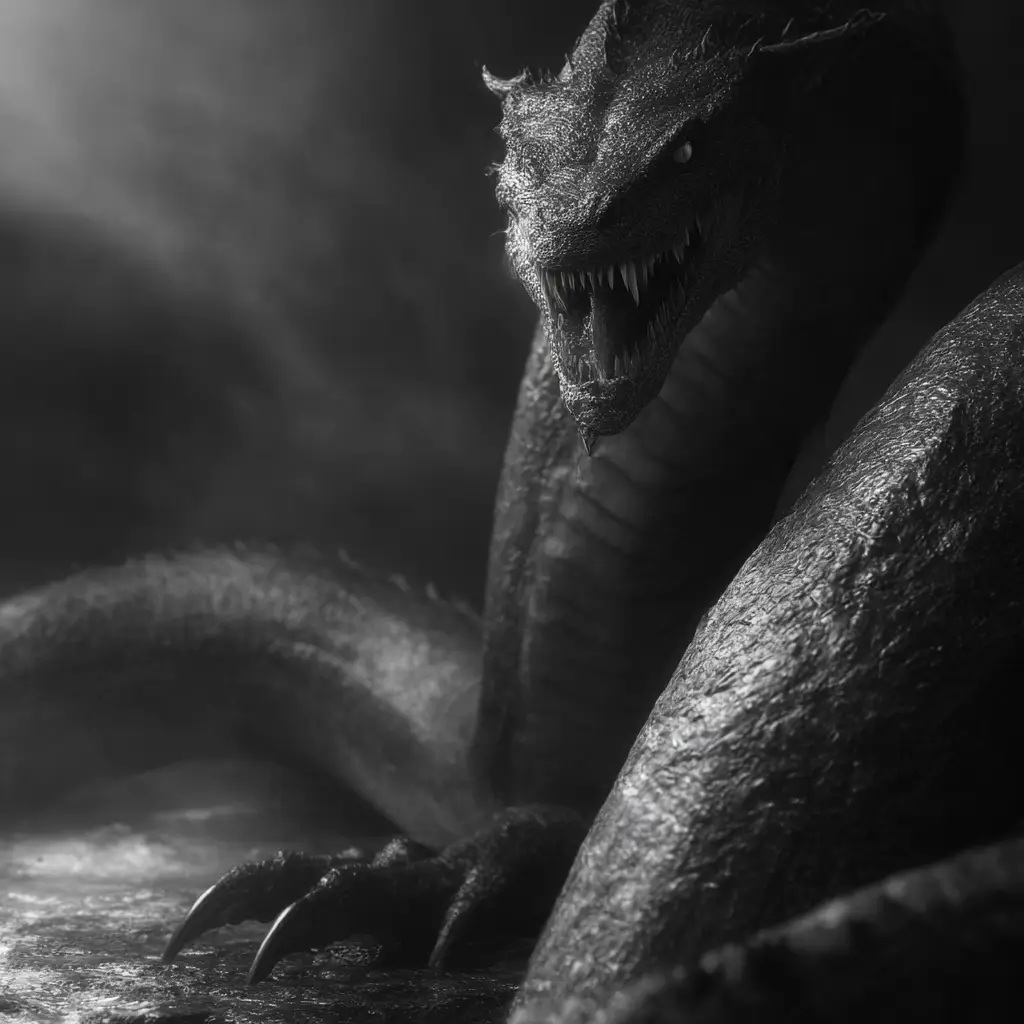
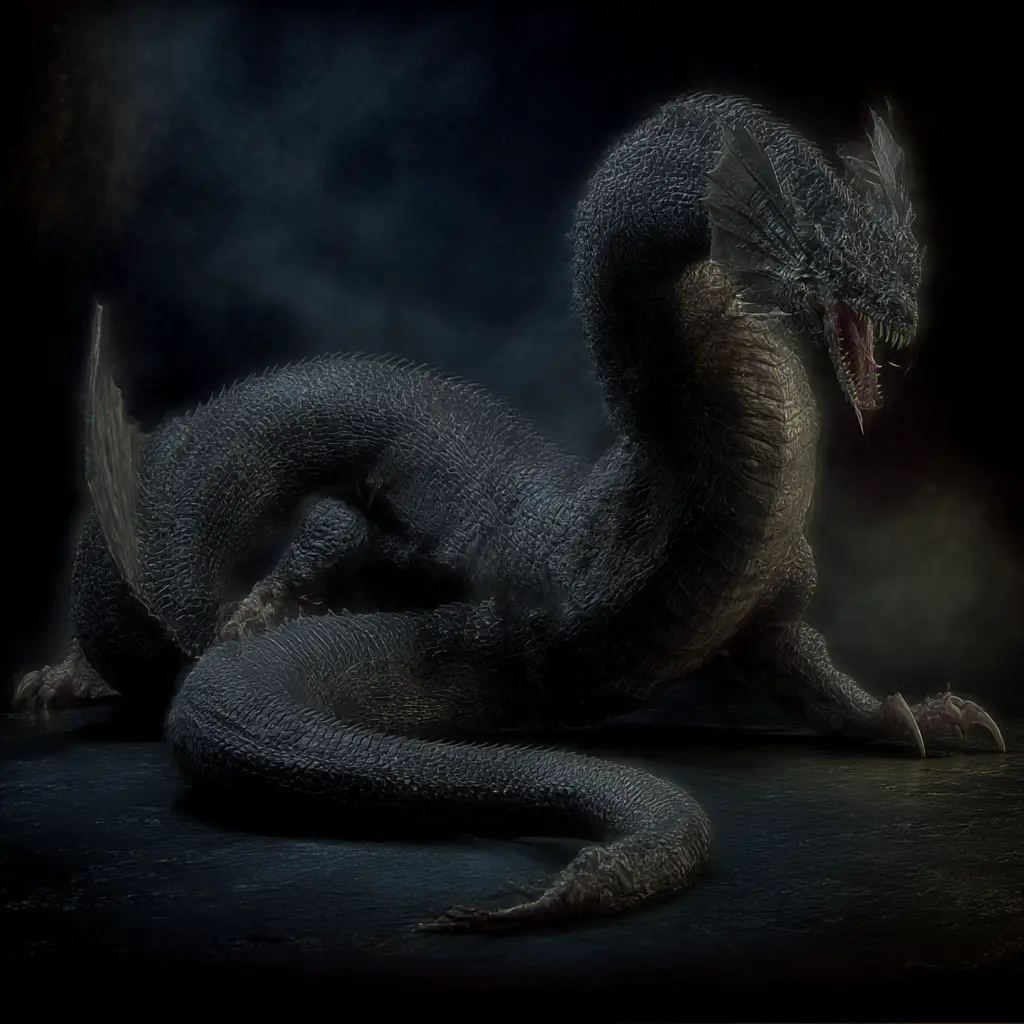
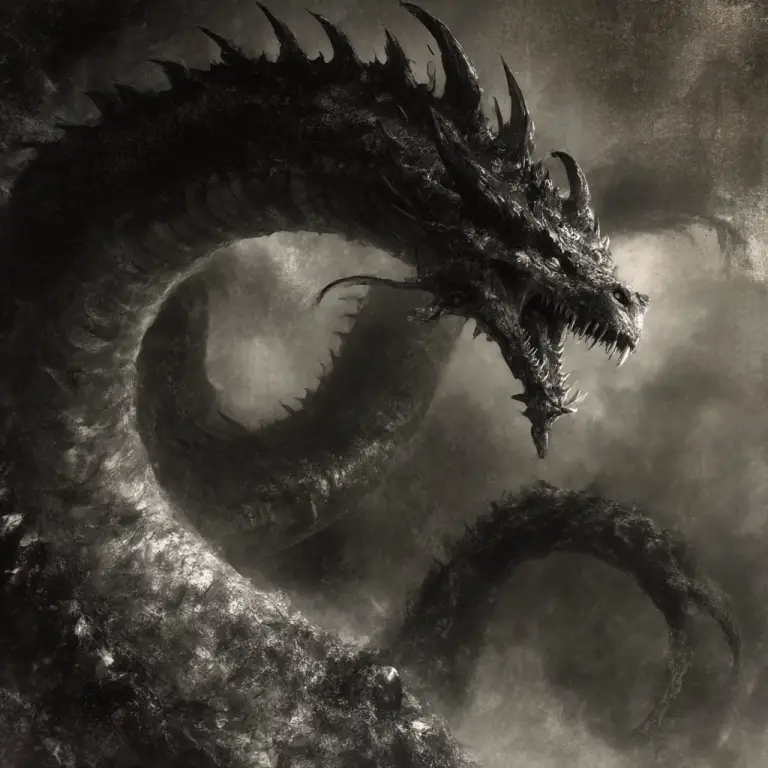
Grafvitnir is a lesser-known but intriguing figure within Norse mythology, often associated with serpents, the underworld, and the shadowy edges of the mythic cosmos. His name roughly translates to “grave-wolf” or “burrow-wolf,” a poetic compound that hints at something both serpentine and chthonic — a creature tied to burial, earth, and hidden places.
Origins and Sources
Grafvitnir appears in Old Norse literature, most notably within the poem Völuspá, part of the Poetic Edda. The poem itself is one of the primary sources for Norse cosmology, describing the creation of the world, its destruction, and the beings that inhabit it.
In these verses, Grafvitnir is named among a group of serpents, creatures that dwell beneath the world or in its hidden recesses. These beings are not central characters like Odin or Thor, but they contribute to the texture of the mythological landscape — the sense that the Norse cosmos is alive with forces both seen and unseen.
Nature and Symbolism
Grafvitnir is generally understood to be a serpent or dragon-like entity. In Norse thought, serpents are rarely just animals. They tend to represent deeper forces:
- Decay and the Underworld – Creatures like Grafvitnir are linked to graves, earth, and the slow return of all things to the soil.
- Hidden Knowledge – Serpents often guard secrets or exist in places where knowledge is buried or obscured.
- Chaos Beneath Order – While the gods maintain structure, beings like Grafvitnir remind us that something older and less controlled lies beneath.
This aligns him loosely with more famous figures such as Níðhöggr, the dragon that gnaws at the roots of the world tree, Yggdrasil. While Grafvitnir is far less prominent, he belongs to the same symbolic family — creatures that erode, undermine, or simply endure beneath the surface.
Place in the Norse Cosmos
The Norse universe is not cleanly divided into good and evil. It is layered, crowded, and often contradictory. Grafvitnir occupies one of those lower layers — not a ruler, not a hero, but part of the ecosystem of myth.
Serpents like him are typically imagined as dwelling:
- Beneath the earth
- Within burial mounds
- In the roots or hidden cavities of the world
This gives them a liminal quality. They are neither fully part of the world of the living nor entirely removed from it. They exist in thresholds — between life and death, order and entropy.
Linguistic Insight
The name “Grafvitnir” is worth pausing on. Old Norse names often carry compressed meaning:
- “Graf” – grave, pit, or hollow
- “Vitnir” – wolf or beast (sometimes used metaphorically)
Put together, the name suggests something that inhabits graves or burrows like a predator. It is less about literal form and more about behaviour and domain. In Norse poetry, such names are often descriptive rather than taxonomic — they tell you what a thing does rather than exactly what it is.