Thjassi in Norse Mythology
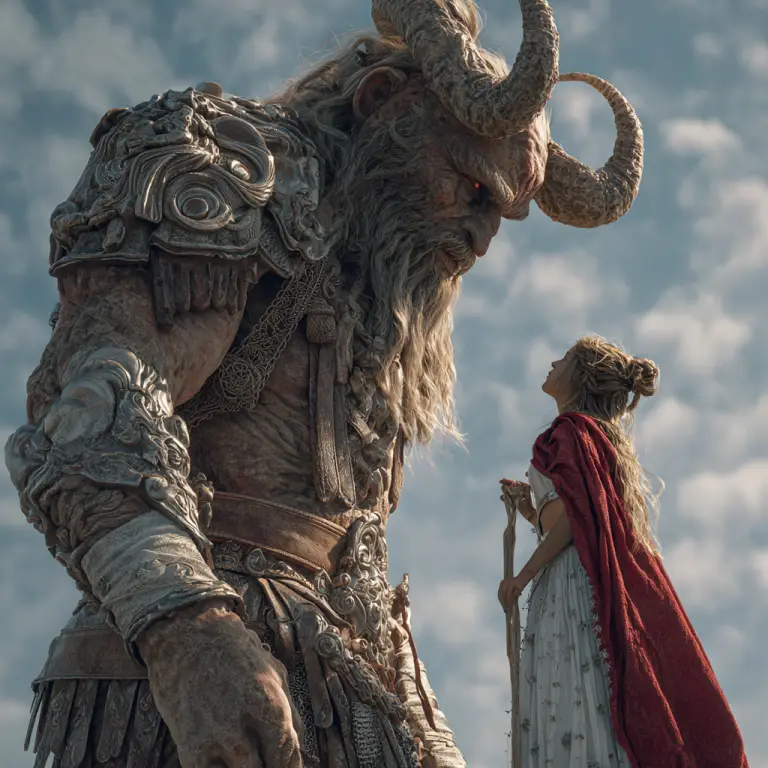
Thjassi is a powerful giant from Norse mythology, best known for his cunning nature, immense strength and the role he plays in the abduction of the goddess Idunn. He belongs to the family of jötnar, beings who often stand in opposition to the gods yet remain deeply woven into the mythic world of the Aesir.
Background and Lineage
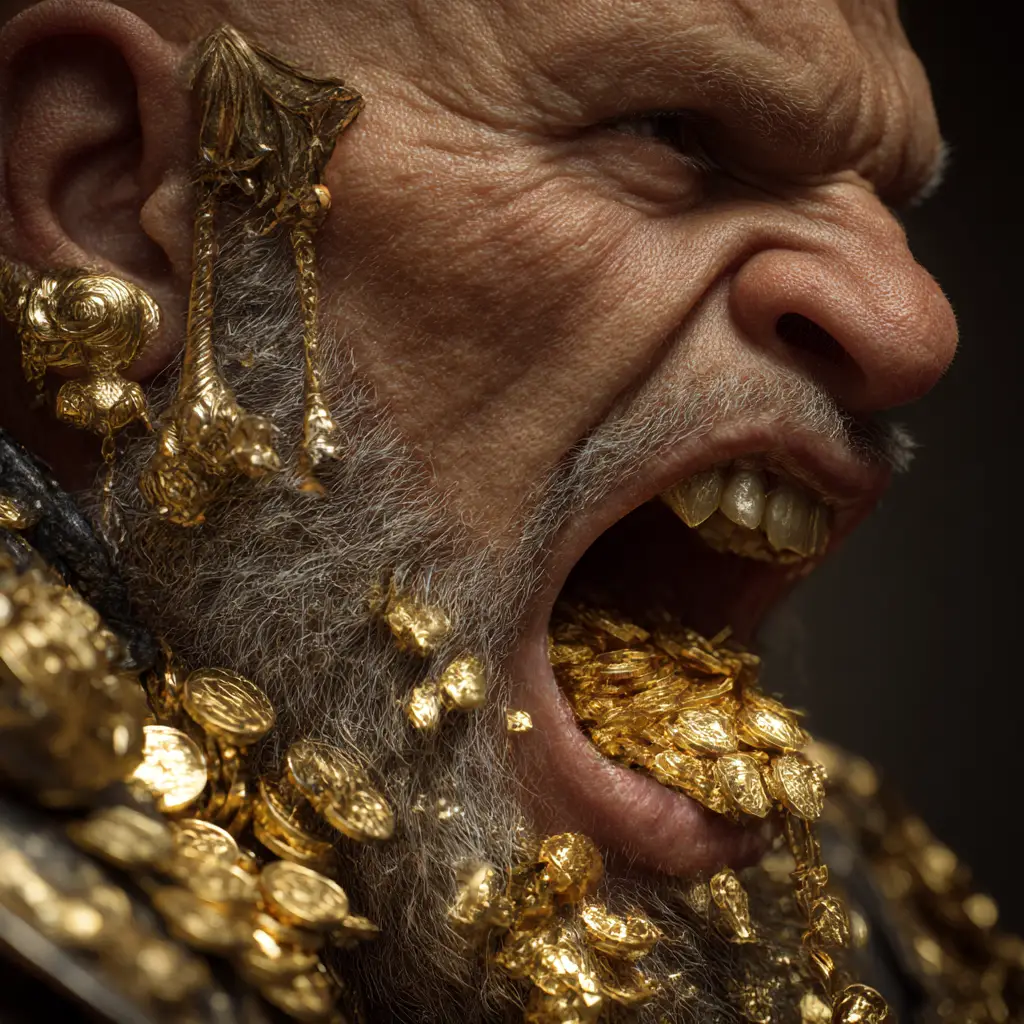
Thjassi is the son of the giant Ölvaldi, a figure associated with extraordinary wealth. According to the myths, Thjassi and his brothers divided their inheritance of gold by measuring it in mouthfuls, which led to poetic kenningar that describe gold as Thjassi’s mouthful. The family’s link to wealth and power reinforces Thjassi’s status among the most formidable giants.
The Abduction of Idunn
Thjassi’s most famous myth centres on his plot to capture Idunn, the goddess who guards the apples of youth. These apples ensure that the gods never age, making Idunn an essential figure in maintaining the strength and vitality of Asgard.
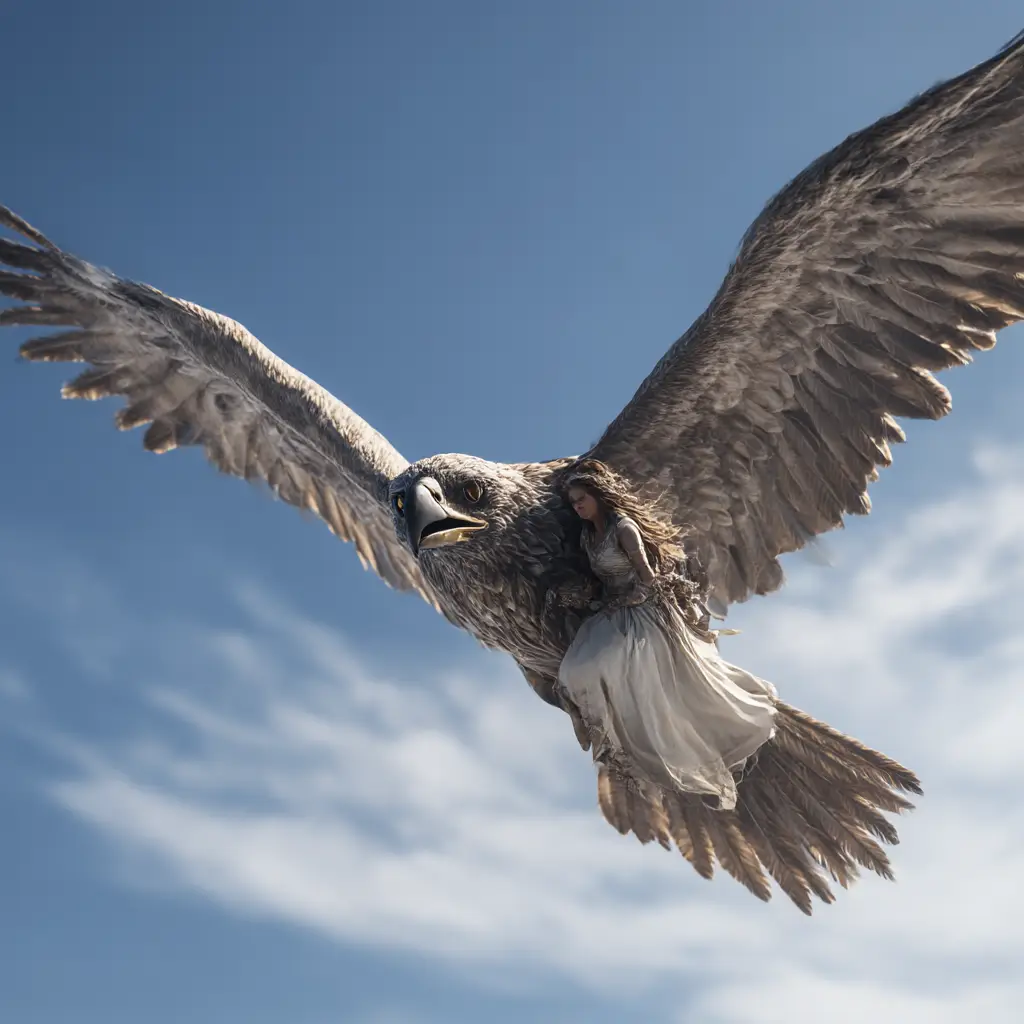
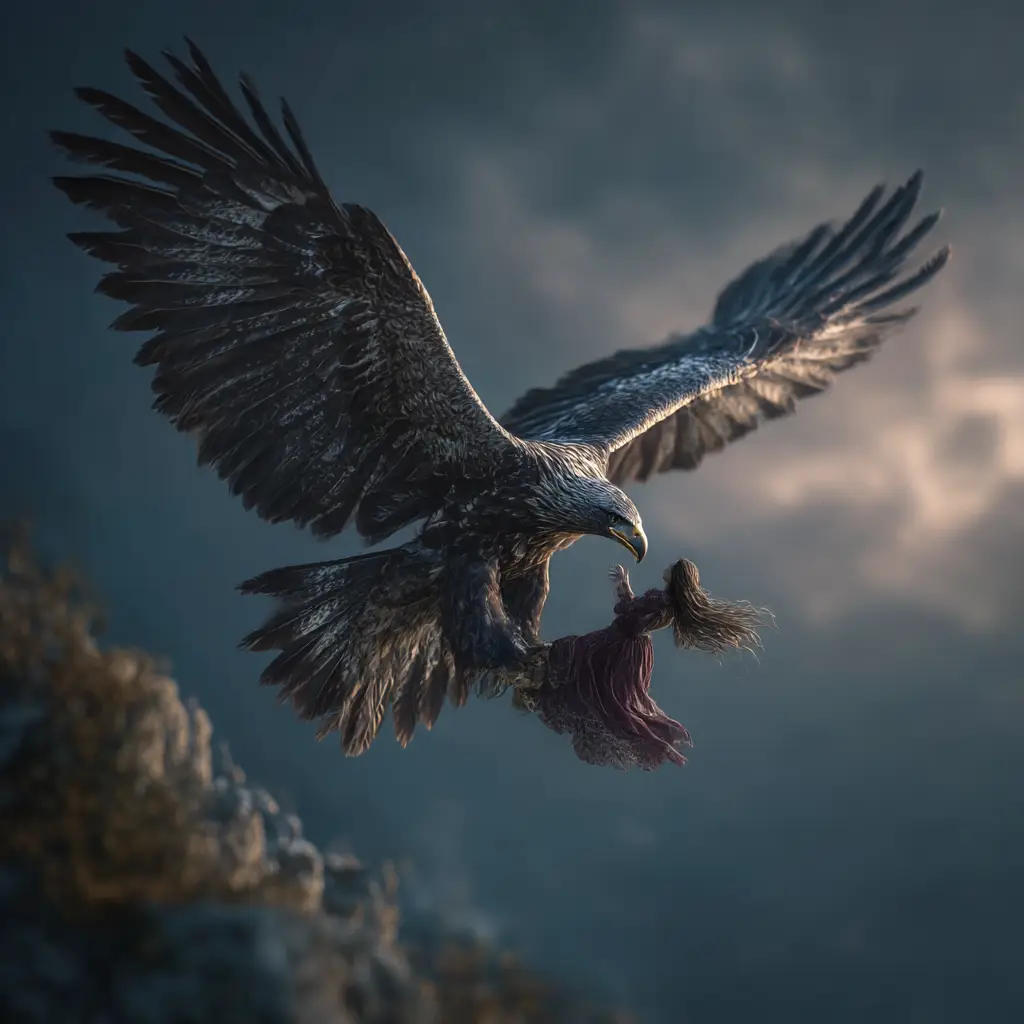
The story begins when Loki, travelling with Odin and Hoenir, encounters Thjassi in the shape of an eagle. After a tense exchange, Loki is forced into a bargain that later results in him luring Idunn out of Asgard. Thjassi, reverting to his eagle form, swoops down and carries her off to his stronghold in the realm of the giants. Without Idunn’s apples, the gods quickly begin to weaken and age, prompting them to confront Loki and demand her return.
Loki’s Rescue and Thjassi’s Pursuit
Under pressure from the gods, Loki transforms into a falcon to rescue Idunn. He finds her, turns her into a nut for easier transport, and flies back towards Asgard. Thjassi immediately gives chase in eagle form, speeding after them with ferocity. The gods prepare a trap by lighting a great fire at the walls of Asgard. As Loki crosses the boundary, Thjassi’s wings catch the flames, causing him to fall to his death.
Thjassi’s Legacy and Aftermath
Thjassi’s death sparks conflict with his daughter, Skadi, a fierce huntress who arrives at Asgard seeking compensation. Her demand for vengeance results in the gods offering reparations, leading to her marriage to the god Njord and securing her place among the Aesir. Through Skadi, Thjassi’s legacy continues to influence the mythic landscape long after his own fall.
Character and Symbolism
Thjassi represents the power and unpredictability of the giants. He is ambitious, calculating and capable of challenging the gods directly. His ability to transform into an eagle symbolises wild strength and dominance over the natural world. The story of Idunn’s abduction also highlights a recurring theme in Norse myth: the fragile balance between gods and giants, where even the mightiest deities depend on forces beyond their control.
Thjassi in Later Tradition
Thjassi’s name and deeds appear in both the Poetic Edda and the Prose Edda, ensuring his continued presence in Norse literary tradition. His connection to wealth, transformation and the struggle between order and chaos marks him as one of the more memorable giants of the mythic canon.