Máni in Norse Mythology
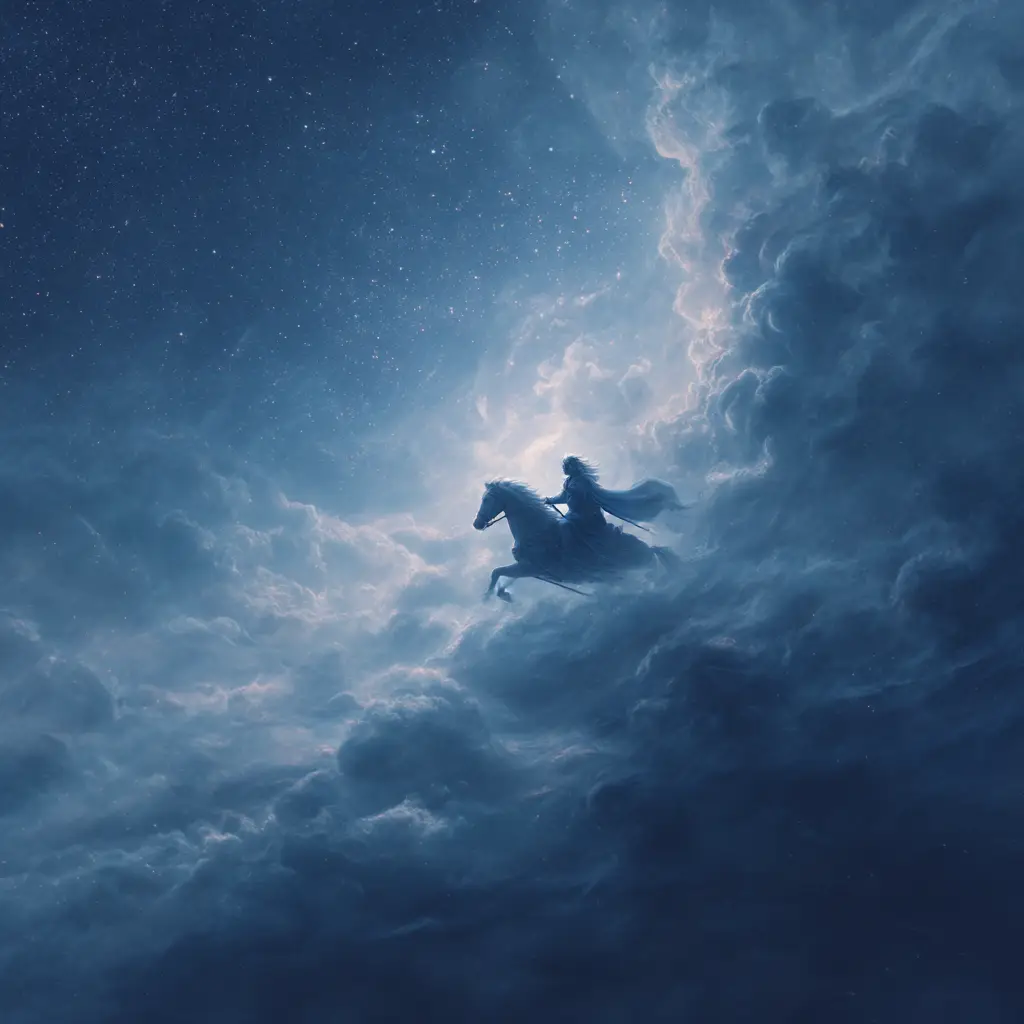
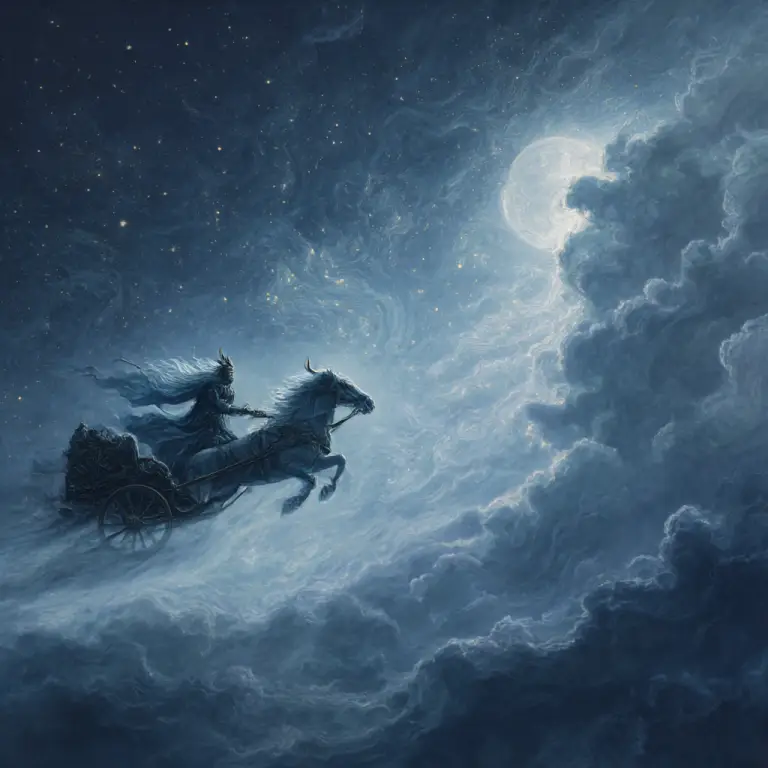
Máni is the personification of the Moon in Norse mythology. He appears throughout the Old Norse sources as a quiet but significant figure who guides the night sky and shapes the passage of time. While he is not described as often as the major gods, his role is essential to the rhythm of the cosmos and to the mythic understanding of day, night, and the lunar cycle.
Origins and Family
Máni is the son of Mundilfari, a figure known primarily for fathering the celestial siblings. His sister is Sól, the personification of the Sun. According to the myths, Mundilfari named his children after the heavenly bodies, a decision considered arrogant by the gods. As punishment, the gods placed Máni in the sky to guide the Moon’s course.
Role in the Night Sky
Máni’s primary role is to lead and regulate the Moon’s movement. The lunar phases were traditionally linked with his influence, with the waxing and waning understood as part of his celestial duty. Old Norse poets associated Máni with the measurement of time. The concept of months was closely tied to the Moon, making him an important figure for marking the calendar in early Norse societies.
Connection with Humans
The myths describe Máni as accompanied by two human children named Hjúki and Bil. They were taken from the Earth while carrying a pail of water, and they now travel with him across the sky. Their presence is believed to mirror familiar shapes or markings visible on the surface of the Moon. This story offers a mythological explanation for the distinctive patterns observed during a full Moon.
Symbolism and Cultural Significance
Máni represents regularity, timing, and the mysterious world of the night. For early Norse peoples, the Moon was essential for navigation, farming cycles, ritual timing, and storytelling. Máni’s steady journey was a reminder of cosmic order, even though the myths also emphasise the sense of pursuit and looming danger that surrounds the celestial bodies.
The Wolf Pursuit
Just as his sister Sól is chased by the wolf Sköll, Máni is hunted by the wolf Hati Hróðvitnisson. This pursuit explains the Moon’s movement across the sky and hints at the eventual destruction of the cosmos. During Ragnarök, it is foretold that Hati will finally catch Máni, bringing an end to the Moon’s light as the final battle unfolds.
Máni in Literature and Lore
Máni appears in both the Poetic Edda and the Prose Edda. While references are brief, they establish him as an essential part of Norse cosmology. Later folklore in the Nordic countries continued to build on his character, expanding the tales of the children who accompany him and shaping local traditions about the Moon.
Modern Interpretations
Máni remains a popular figure in modern retellings of Norse mythology. He is often portrayed as calm, enigmatic, and watchful, reflecting the quiet beauty of the Moon itself. His stories inspire literature, art, and modern pagan practice, where the lunar cycle still holds symbolic and ritual importance.