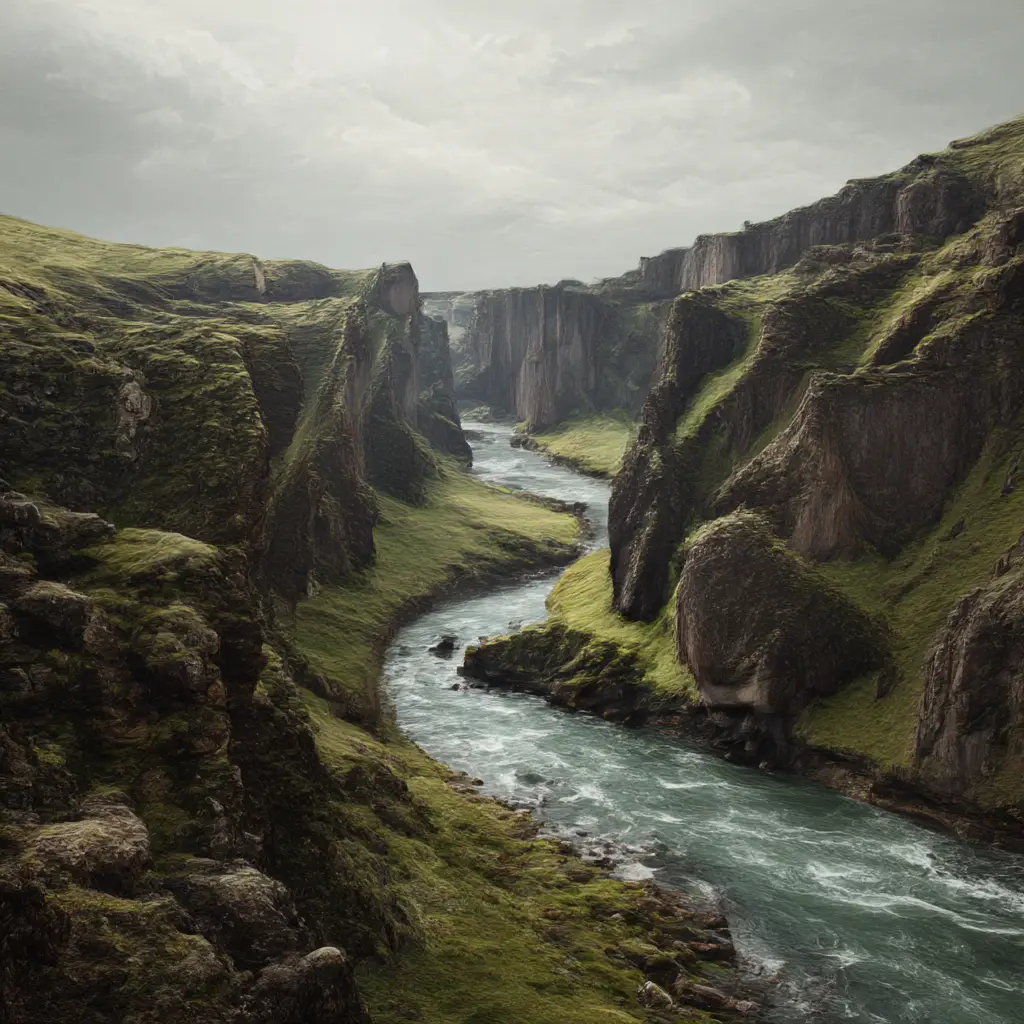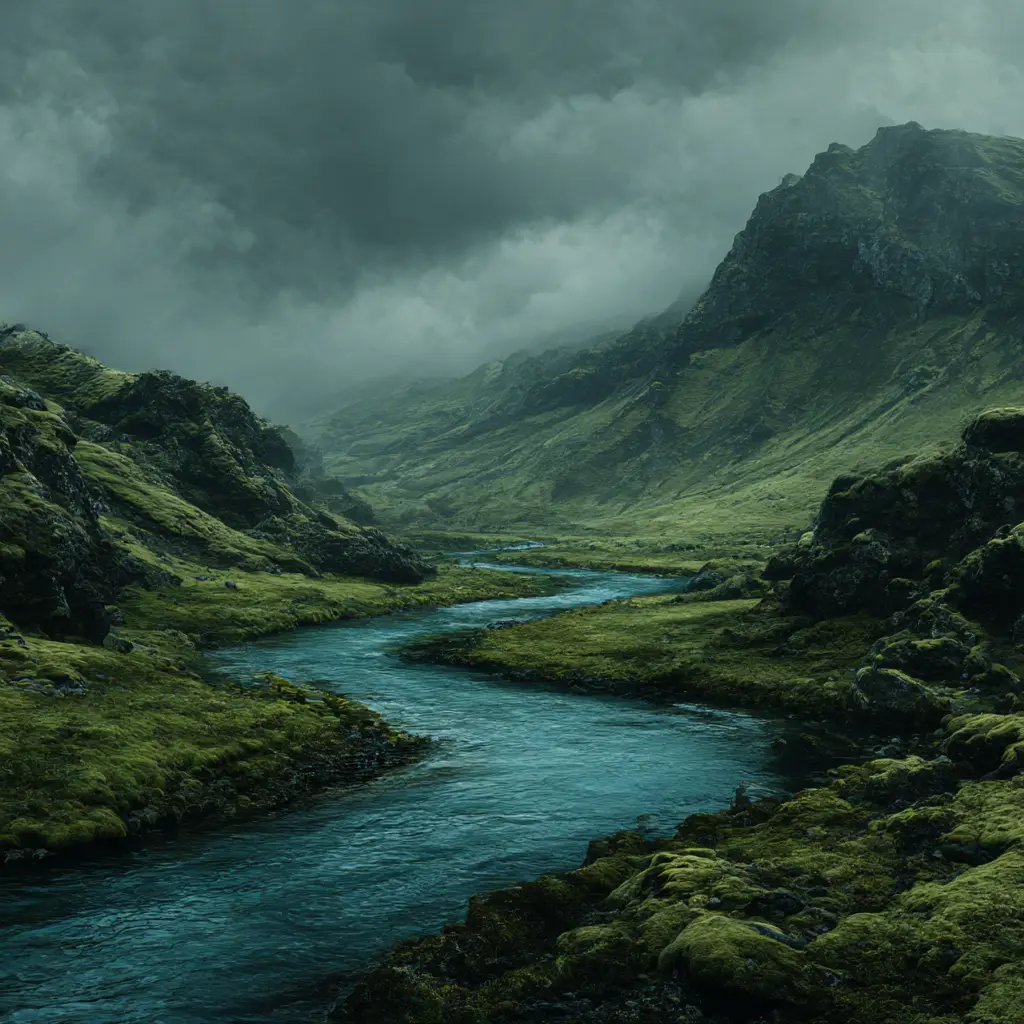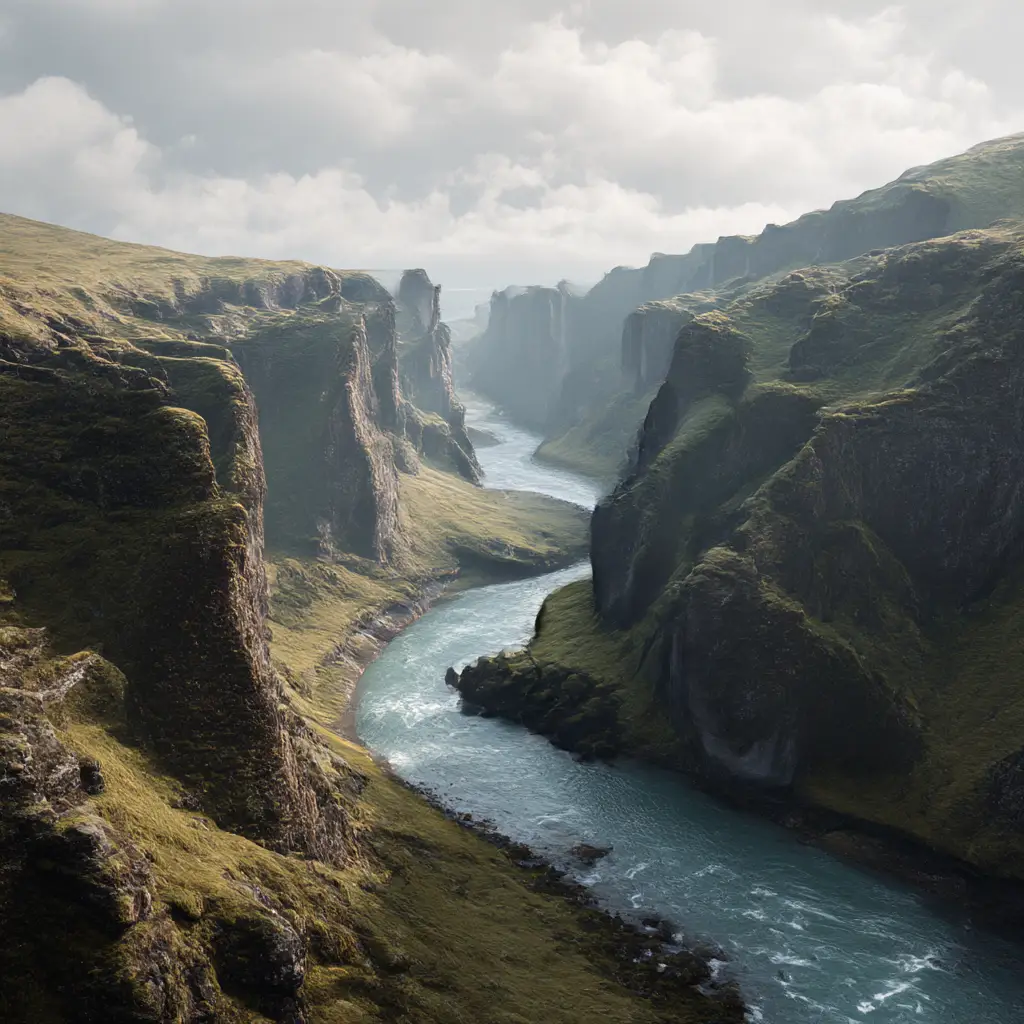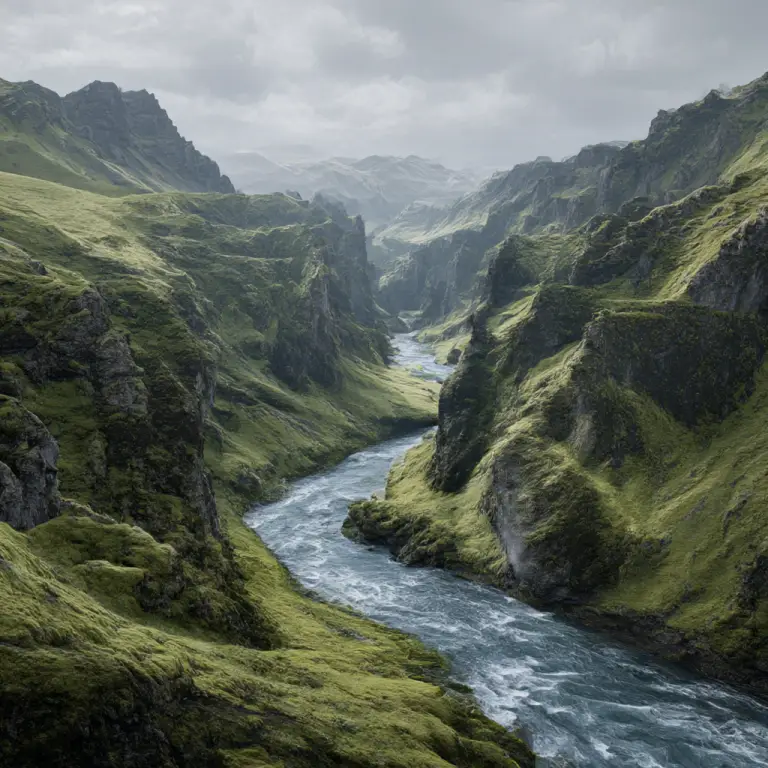
Slíðr River is a lesser-known feature within Norse mythology, often overshadowed by the more prominent rivers and bodies of water that traverse the cosmology of the Norse universe. In the mythic landscape, rivers are frequently depicted as boundaries, sources of life, and pathways that connect different realms, and Slíðr is no exception. Its name is believed to derive from Old Norse roots implying slipperiness or swiftness, suggesting a river that is both treacherous and fast-flowing, characteristics common to many rivers in Scandinavian landscapes.
In the mythological context, Slíðr River is sometimes associated with the giants, or Jotunn, who inhabit the outer regions of the cosmos beyond the realms of gods and humans. The river is described as a natural barrier that separates these chaotic, wild lands from the more orderly domains such as Asgard and Midgard. Mythic sources imply that attempting to cross Slíðr without divine favour or magical means could lead to peril or misfortune, reinforcing the idea of rivers as testing points in Norse stories.
Water, and rivers in particular, hold symbolic importance in Norse mythology. They are not merely physical features but are imbued with spiritual significance. Slíðr, like other mythic rivers, may have been seen as a purifying force, a conduit between worlds, and a boundary that must be respected. Some interpretations suggest that Slíðr’s waters were icy and turbulent, reflecting the harsh northern climates familiar to the Norse people and embodying the unpredictable nature of fate and the cosmos.
Although Slíðr River does not feature prominently in the surviving Eddic poems or sagas, its mention in various mythological accounts underscores the pervasive presence of rivers in Norse thought. They are often connected with journeys, both physical and spiritual, and serve as sites of transformation, challenge, and revelation. The cultural significance of rivers like Slíðr also extends to their practical realities, as rivers were crucial in Norse daily life for travel, sustenance, and trade.
In modern interpretations, Slíðr River has occasionally been referenced in literature and games that draw on Norse mythology, where it is portrayed as a fast-flowing, dangerous river, demanding caution from those who would navigate it. Its mythological identity as a liminal space, marking the threshold between worlds, continues to capture the imagination of those exploring Norse cosmology and folklore. The river embodies themes central to Norse mythology: the interplay between order and chaos, the testing of courage and skill, and the ever-present influence of nature as both a force of life and a potential hazard.