The Sylgr River in Norse mythology is often mentioned in the context of the rich tapestry of rivers and waterways that flow through the Nine Worlds. Though not as widely known as rivers like Élivágar or Gjöll, Sylgr holds its own significance in the mythological landscape. Its name is believed to mean “clear stream” or “bright river,” reflecting the Norse affinity for describing natural features with vivid imagery.
In the cosmology of Norse myth, rivers are often more than geographical features; they serve as symbolic boundaries, sources of life, and sometimes as barriers between the realms of gods, giants, and humans. The Sylgr is traditionally associated with the watery landscapes surrounding Asgard and Midgard, linking the domains of gods with the world of mortals. Some accounts suggest that its waters were considered pure and restorative, playing a role in the nurturing of life or the cleansing of sacred spaces.
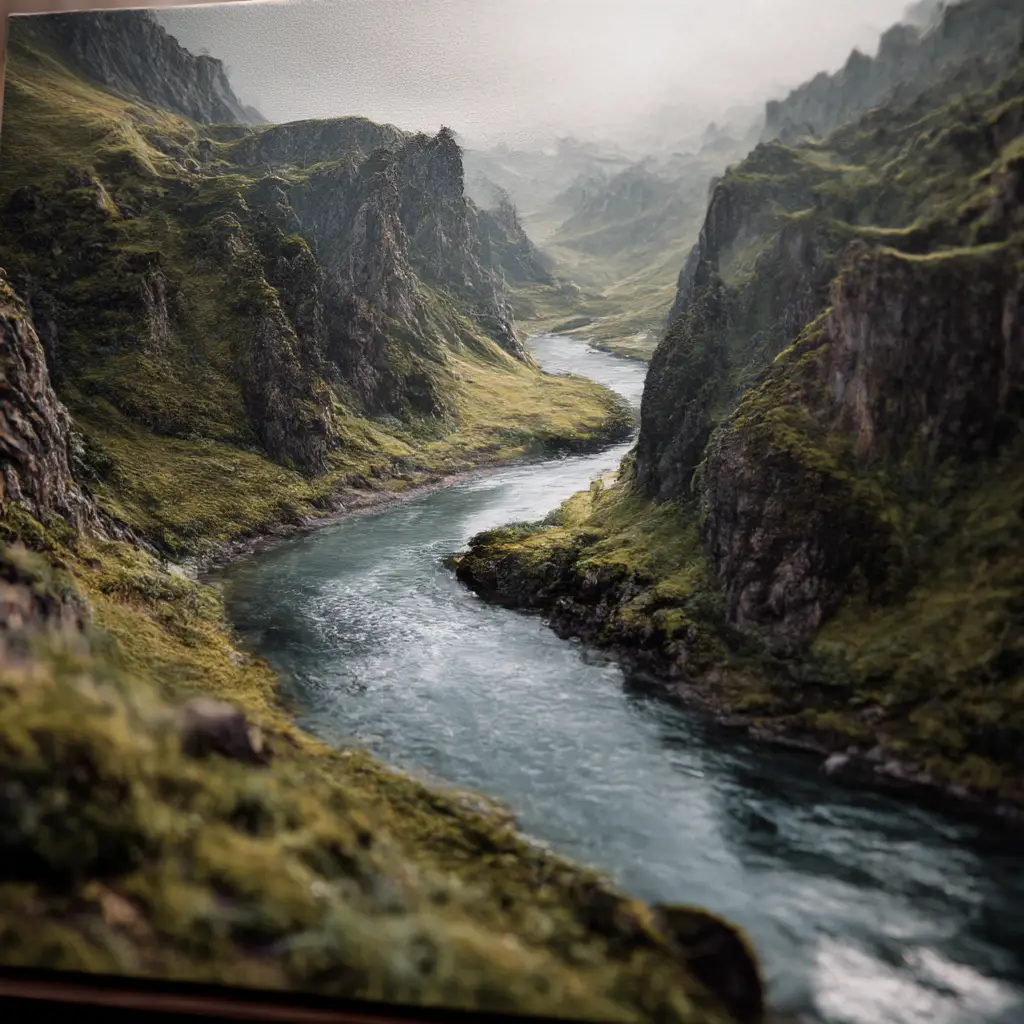
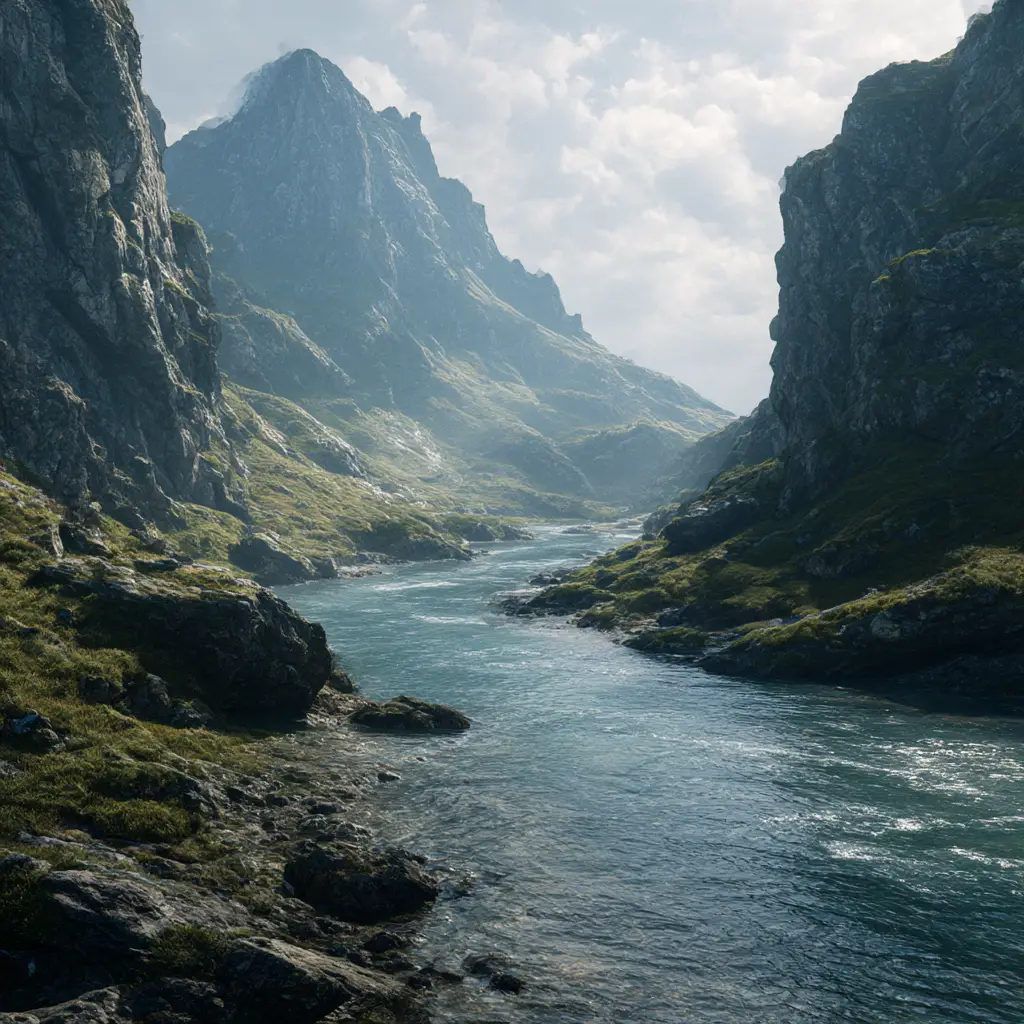
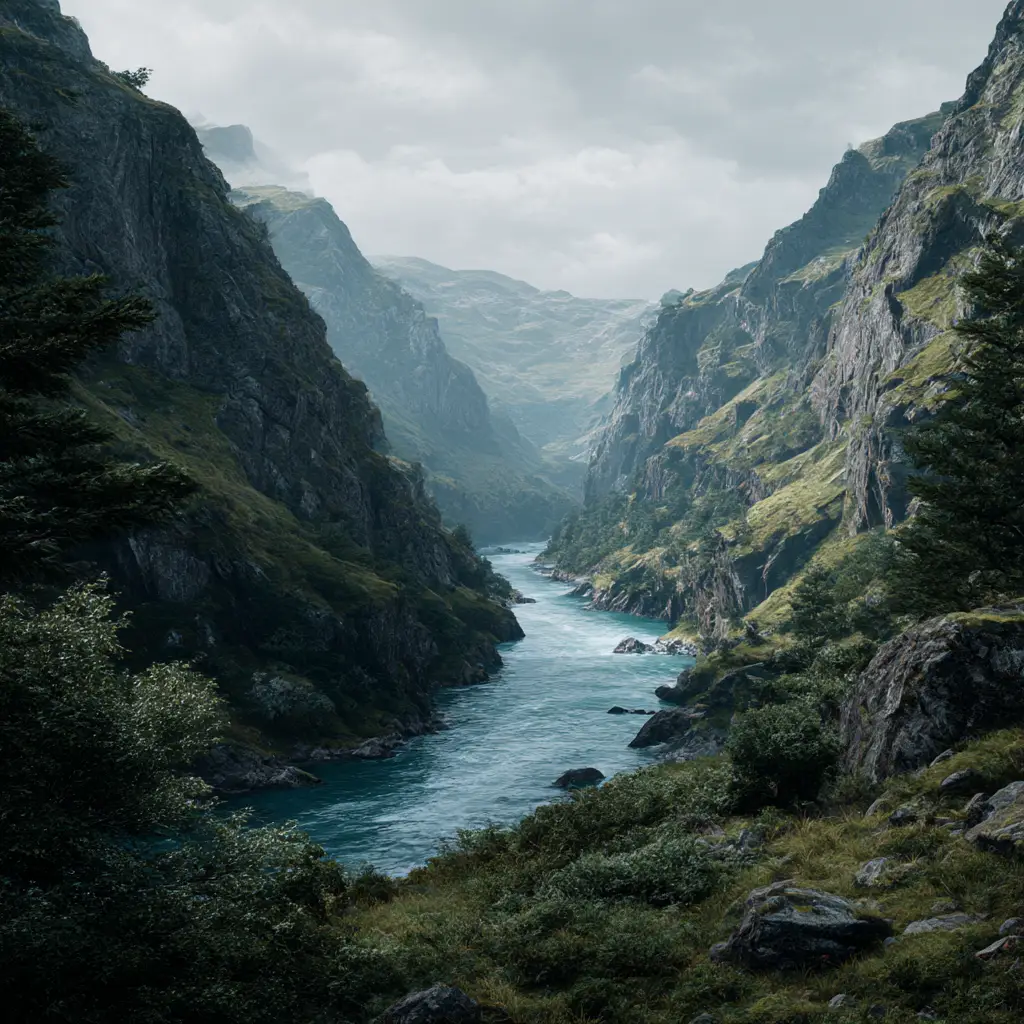
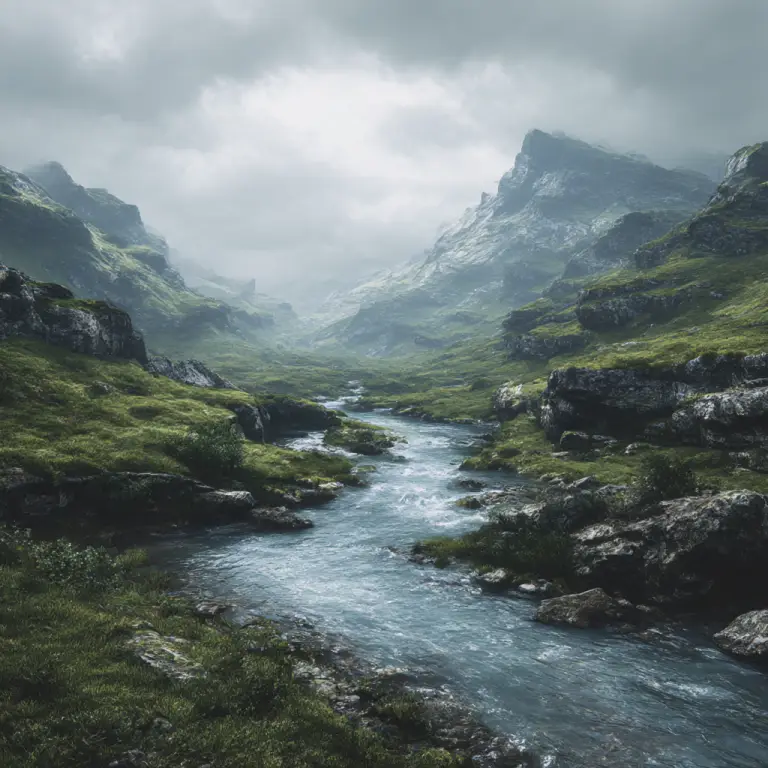
The river’s course is sometimes described as flowing from mystical springs in the high mountains or from hidden lakes, winding through enchanted forests and valleys. Its waters are cold and clear, reflecting the skies and echoing the stillness of untouched wilderness. Mythological narratives occasionally place creatures or spirits within its depths, guardians of the river who ensure that its sacredness is maintained.
Sylgr’s symbolic presence in Norse mythology extends to poetry and ritual. Skaldic poets would reference rivers like Sylgr to evoke imagery of journeys, transitions, or the passage of time. In some myths, heroes may encounter rivers that test their resolve or mark the beginning of quests, and the Sylgr, with its serene yet powerful flow, embodies both challenge and renewal.
Though historical sources on the Sylgr River are limited and sometimes fragmentary, its inclusion in Norse myth highlights the importance of waterways in the spiritual and cosmological understanding of the Norse world. The river exemplifies the connection between nature and the divine, the material and the symbolic, offering insight into how the Norse perceived the interplay of life, death, and the sacred in the landscape around them.
The Sylgr River thus represents more than a mere stream; it is an emblem of purity, transition, and the enduring presence of nature in the mythological imagination. Its enduring legacy in stories and poetry underlines the Norse reverence for rivers as living entities that shape both the physical and spiritual world.