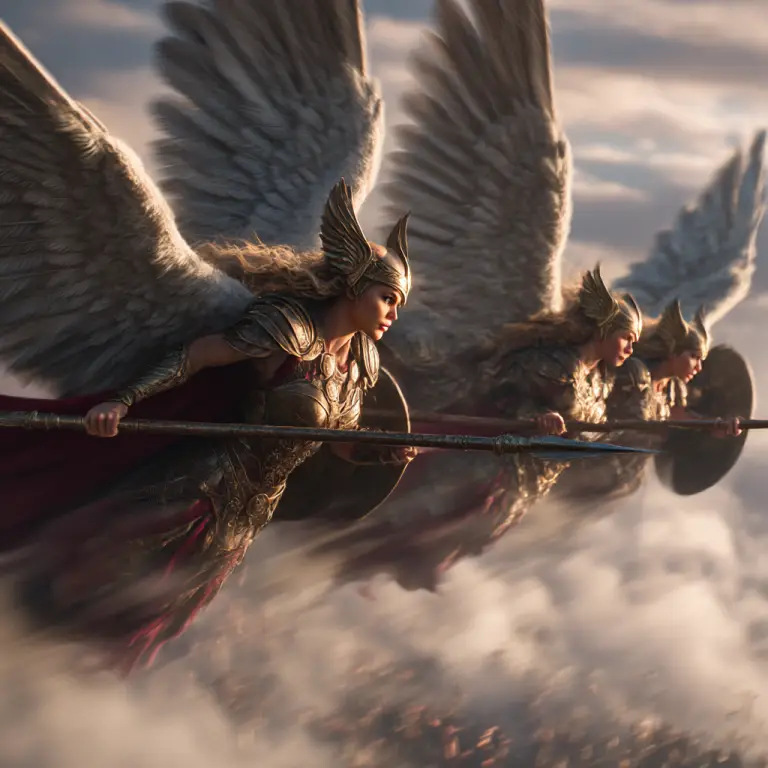
Valkyries in Norse Mythology
Valkyries are among the most recognisable figures in Norse mythology. Often depicted as fierce, supernatural women who serve the god Odin, they stand at the intersection of fate, battle, and the afterlife. Their name is commonly translated as choosers of the slain, referring to their role in selecting which warriors would fall in combat and which would survive.
Origins and Role
In the earliest Norse sources, Valkyries are not simply warrior maidens. They are powerful beings connected to destiny, acting on Odin’s command to determine the outcome of battles. They choose fallen warriors worthy of joining Odin in Valhalla, a place where the honoured dead feast, train, and prepare for the final battle of Ragnarök. The chosen warriors are known as the Einherjar, and the Valkyries are both their guides and attendants.
Depictions in Myth
Valkyries appear throughout the Poetic Edda and Prose Edda, sometimes as supernatural figures and at other times as more human-like, noble women with prophetic or magical abilities. Names such as Brynhild, Sigrún, and Hildr appear in legendary sagas where Valkyries influence the fates of heroes, offer advice, or intervene directly in combat.
Many stories portray Valkyries as complex figures who embody both the beauty and brutality of war. They can be fierce and impartial, yet also compassionate towards the warriors they choose. In some myths, Valkyries fall in love with mortal heroes, creating tales of loyalty, tragedy, and transformation.
Appearance and Symbolism
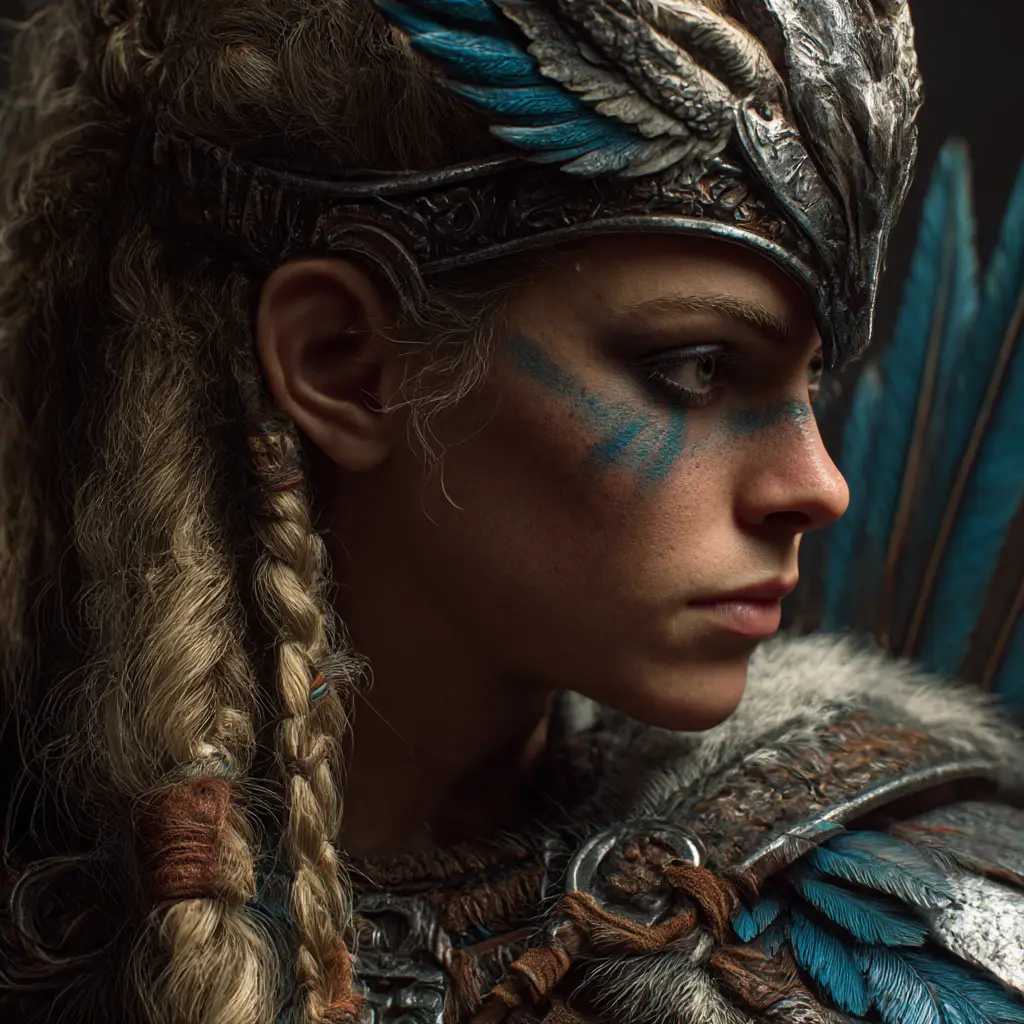
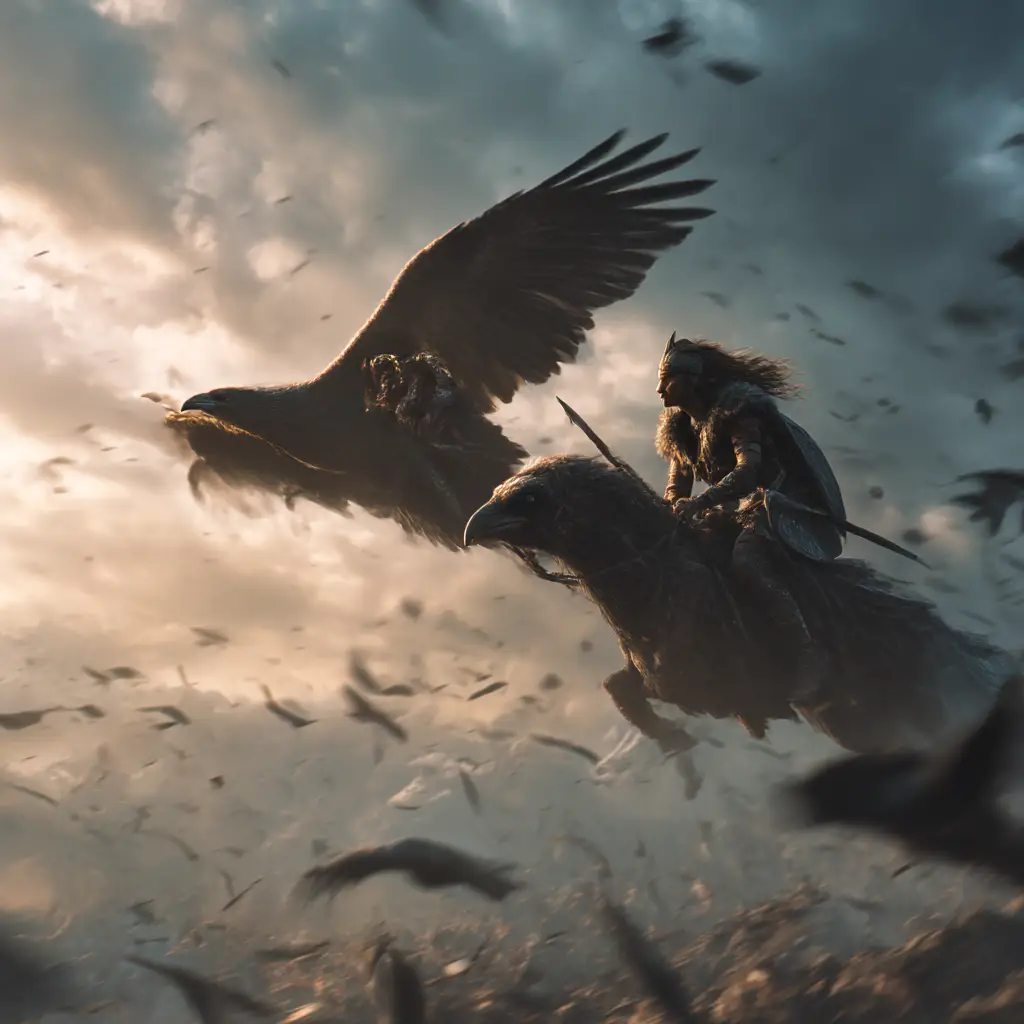
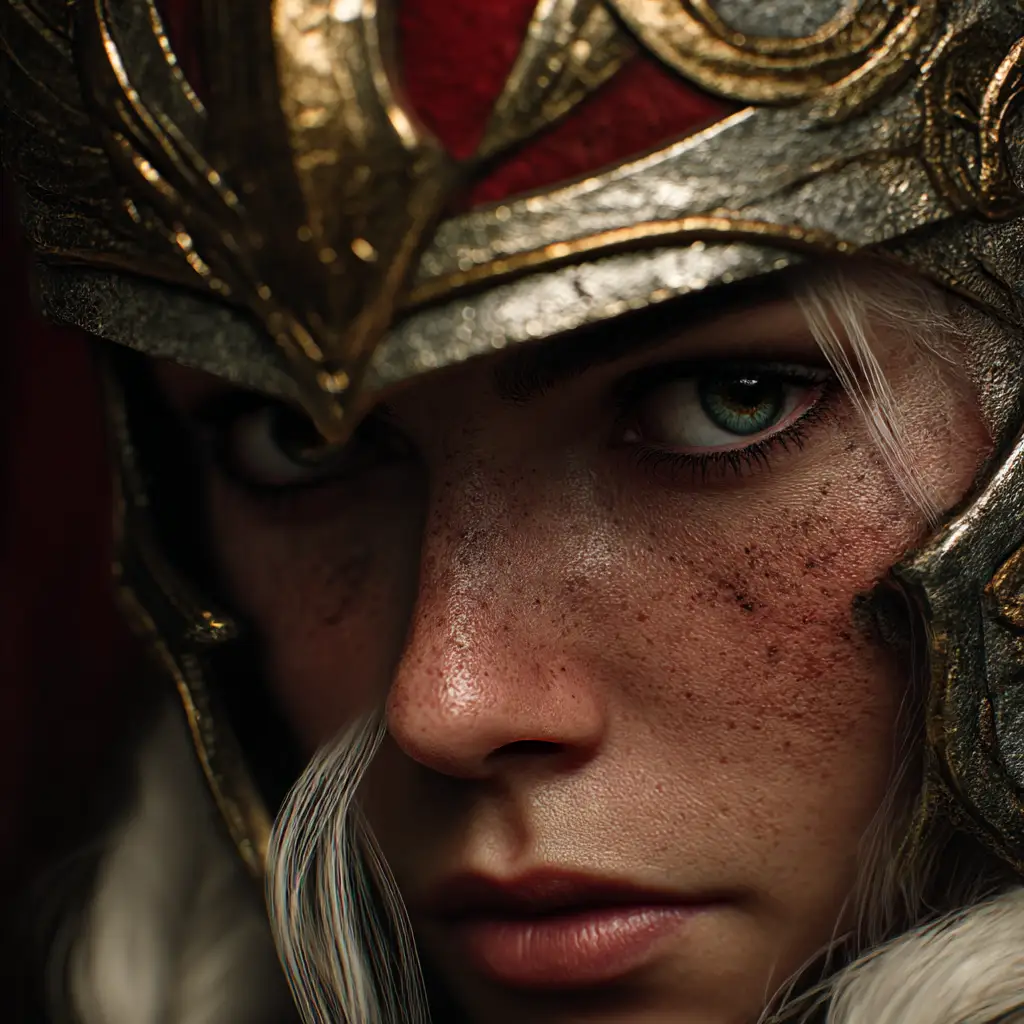
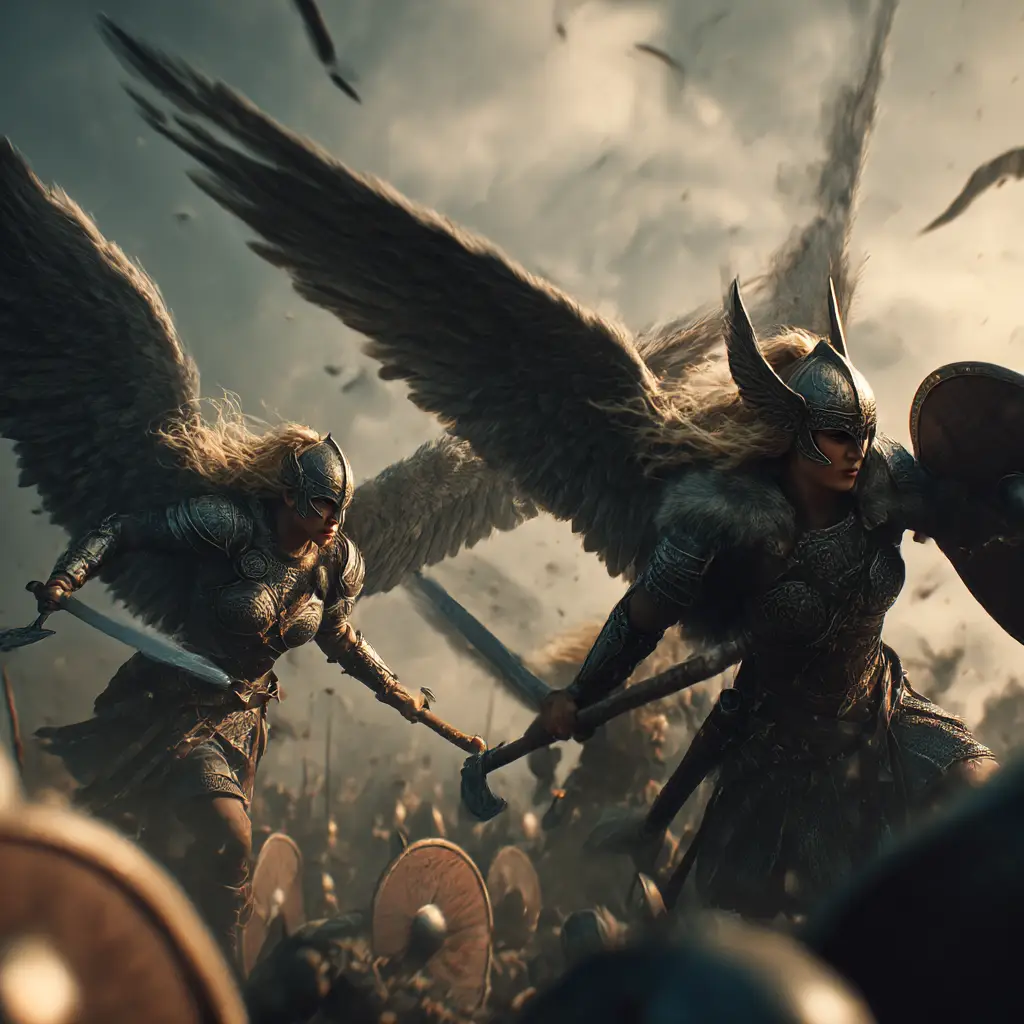
Descriptions vary across texts, but Valkyries are typically shown wearing armour, helmets, and carrying spears or shields. They ride swift horses, sometimes flying through the air or across the sea. Their presence on the battlefield often symbolises both death and honour. To see a Valkyrie could mean doom or glory.
Their image became a powerful symbol of courage, fate, and martial virtue. In later interpretations, Valkyries came to represent the noble warrior spirit and the ideal of a heroic death.
Connection to the Afterlife
The journey of the fallen warrior is central to the Valkyrie role. They escort the chosen to Valhalla, where the dead are revived each day for training and battles held in honour of Odin. They also serve mead during feasts and act as attendants in the great hall. Through their selection, the Valkyries shape the strength of Odin’s host, preparing for the events of Ragnarök.
Some myths note that not all chosen warriors go to Valhalla. A portion are taken instead to the realm of the goddess Freyja, known as Fólkvangr. This highlights the broader spiritual system in Norse belief where multiple deities and realms share responsibility for the dead.
Cultural Influence
Over time, Valkyries have inspired literature, poetry, opera, and modern interpretations. Their image has shifted between fearsome warrior, divine guide, and mythic heroine. While early sources portray them with a certain otherworldly austerity, later works often emphasise their independence and martial strength.
They remain an enduring part of Scandinavian cultural identity and are still widely recognised in modern storytelling, from fantasy novels to film and art.