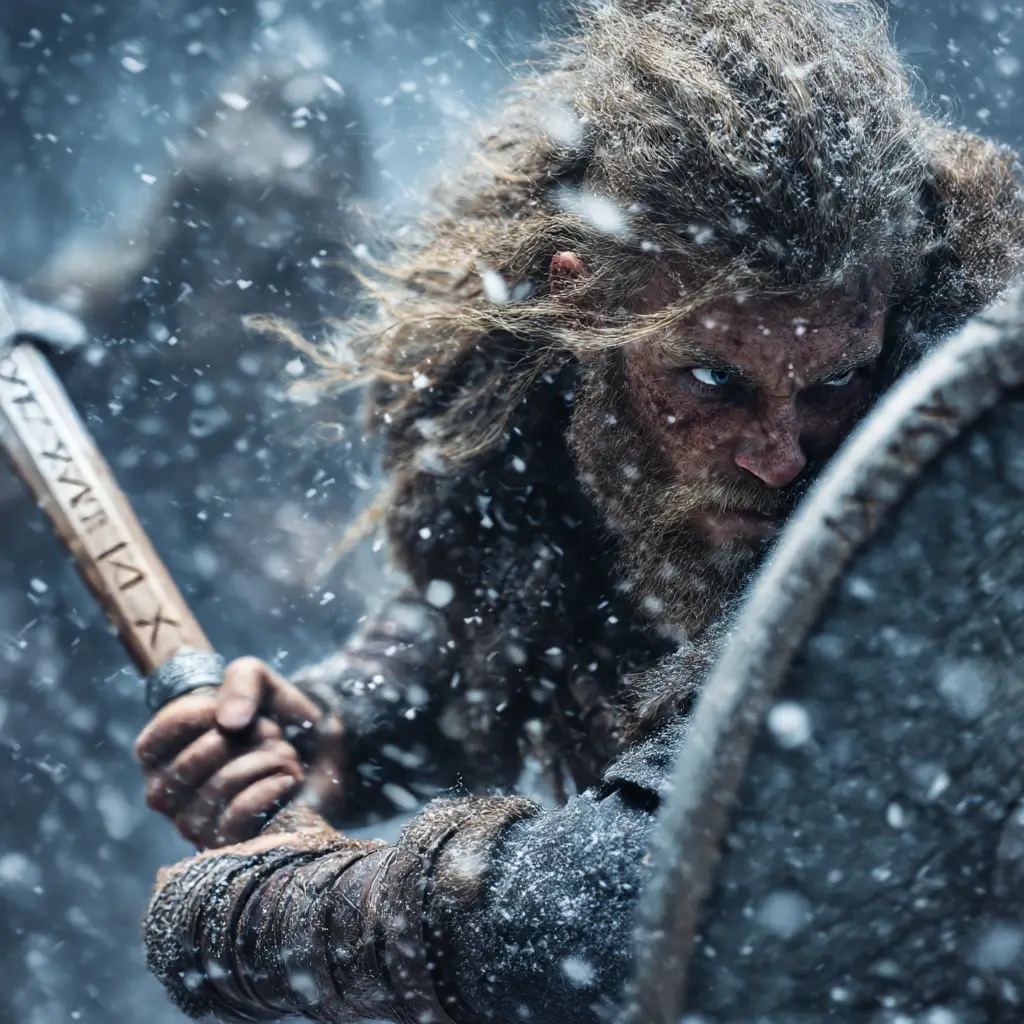
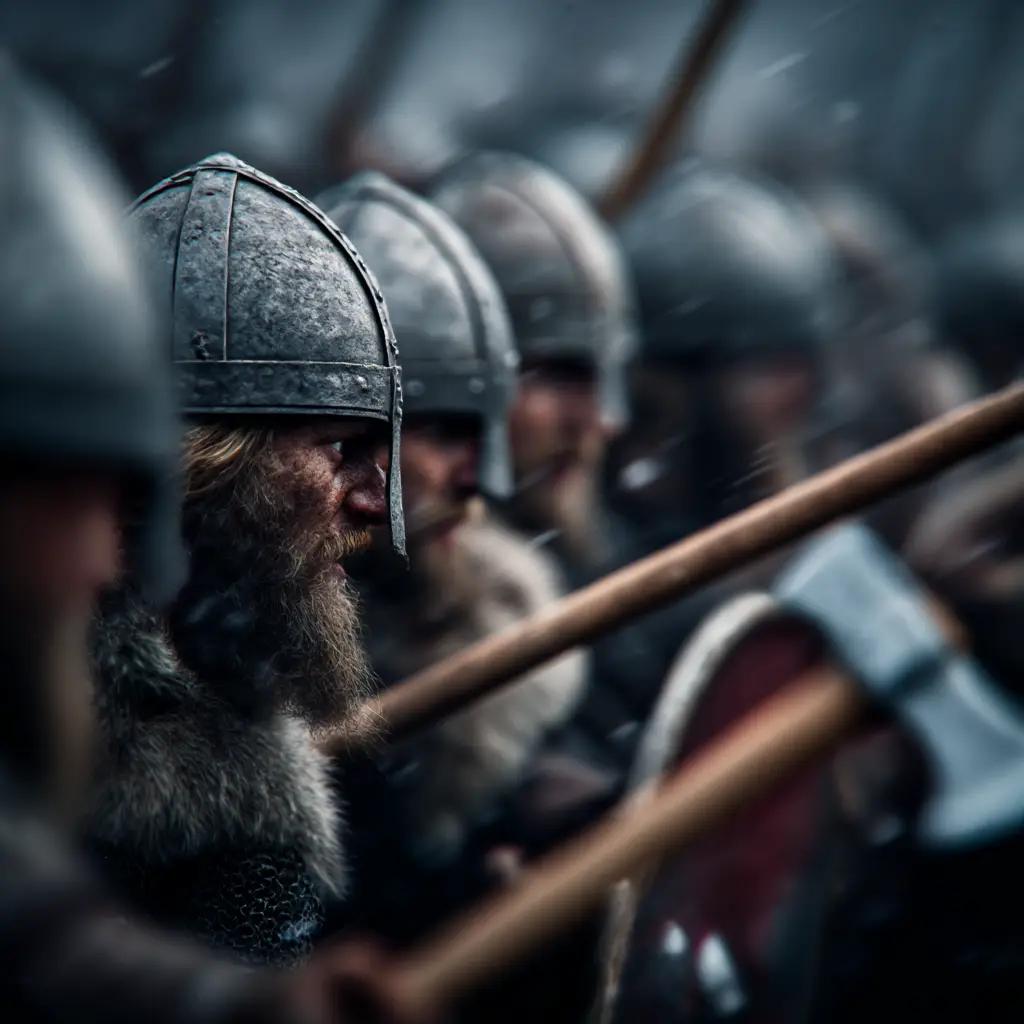
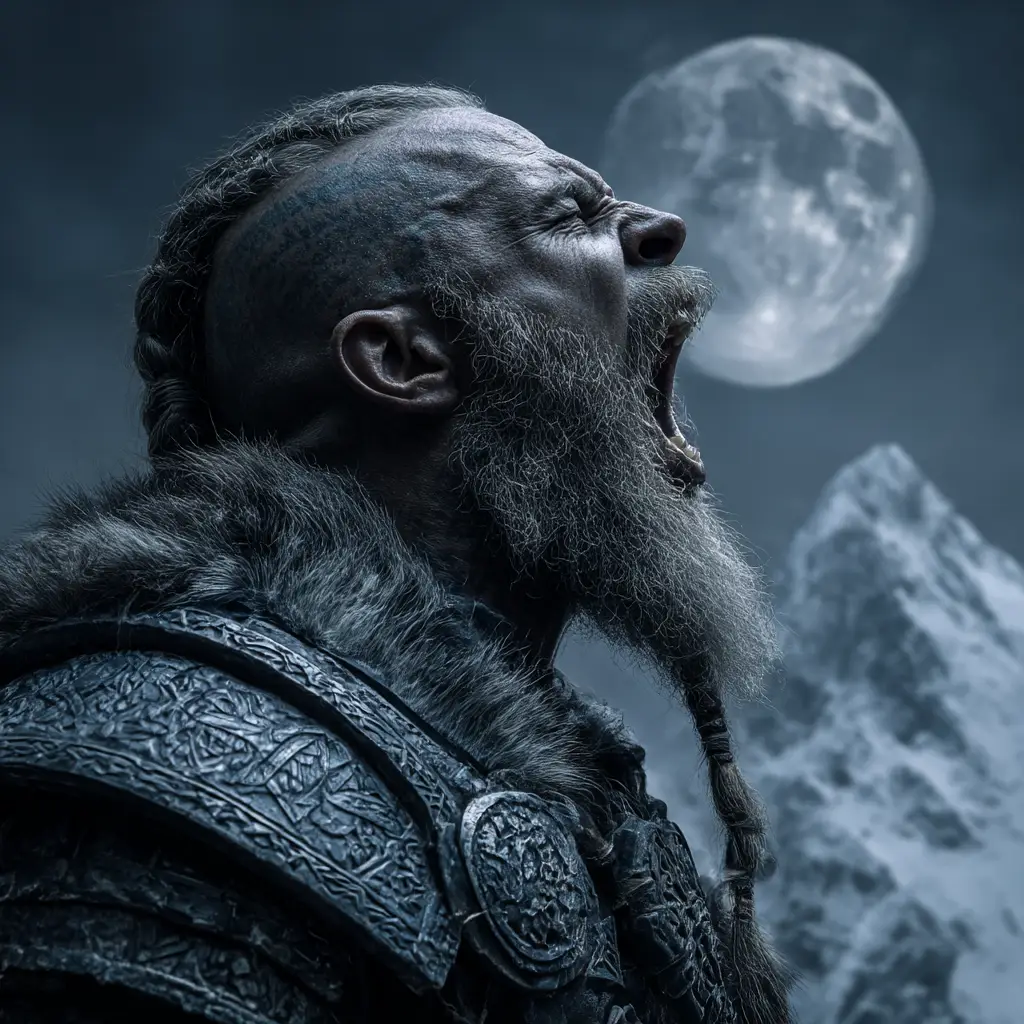
The Ulfhednar were an elite group of Viking warriors active during the late Iron Age and early medieval period, particularly between the 8th and 11th centuries. They are mentioned in several Old Norse sources, including sagas and skaldic poetry, and were closely associated with royal retinues and high-status warbands. Unlike ordinary warriors, the Ulfhednar were set apart by their reputation for exceptional ferocity, discipline, and effectiveness in battle.
Historical accounts describe the Ulfhednar as shock troops who fought at the front of an army. Their role was to break enemy lines, create fear and confusion, and pave the way for the main force. They were not numerous, but their presence was significant enough to be recorded in literary and historical sources. Kings and jarls are said to have kept Ulfhednar among their personal guards, suggesting a high level of trust and prestige.
Training for an Ulfhednar would have been demanding and long-term. These warriors were expected to endure physical hardship, extreme weather, hunger, and exhaustion. Mastery of weapons such as spears, swords, axes, and shields was essential, as was close-combat fighting in tightly packed formations. Discipline and obedience to a leader were critical, particularly given their role in leading assaults.
Written sources often distinguish the Ulfhednar from the wider Viking fighting population by emphasising their lack of conventional armour. While most Viking warriors wore helmets, shields, and sometimes mail shirts, the Ulfhednar are described as fighting with minimal protection. This was likely a practical choice that allowed for speed and agility rather than recklessness. Their confidence in combat skill and cohesion within their unit compensated for reduced armour.
Socially, the Ulfhednar occupied a unique position. They existed on the edge of conventional Viking society, bound by loyalty to their leader rather than by family ties or land ownership. This made them effective professional warriors but also separated them from everyday life. Some sources suggest that they lived communally and followed strict codes of conduct, reinforcing their identity as a distinct warrior group.
By the late Viking Age, references to the Ulfhednar become less frequent. Changes in warfare, including the increased use of organised armies, fortified settlements, and Christian influences on Scandinavian societies, reduced the role of specialised warrior cults. However, their reputation endured in literature and later historical interpretation as some of the most formidable fighters of the Viking world.
Today, the Ulfhednar are studied as an example of how Viking warfare combined social structure, professional fighting groups, and the demands of early medieval combat. They represent a highly specialised approach to warfare that relied on training, reputation, and tactical use rather than sheer numbers alone.