Asgard is the fortified realm of the Aesir, set apart from the worlds of mortals and giants. Within its walls stand many great halls and sacred places, each tied to a god, goddess, or key aspect of Norse cosmology. Together they form the heart of divine life, law, feasting, judgement, and destiny.
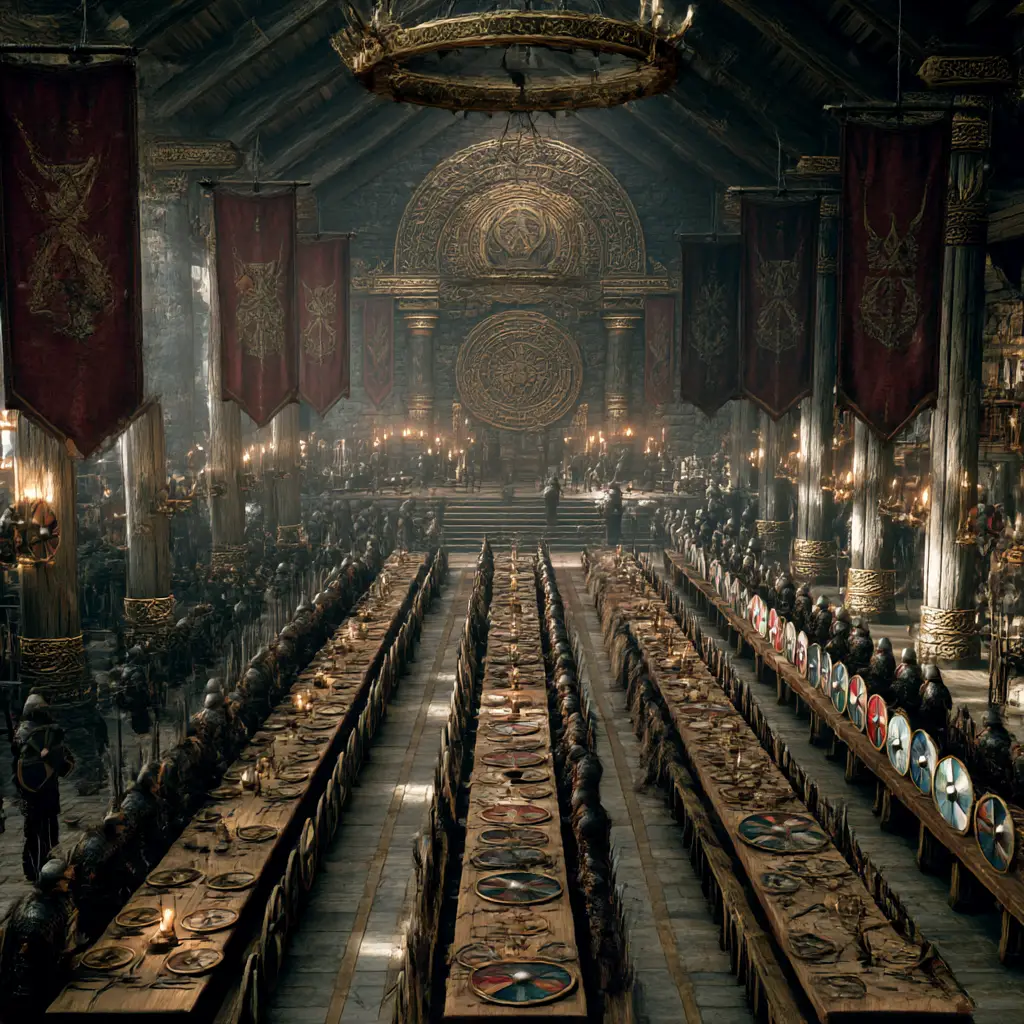
Valhalla is the most famous hall of Asgard and belongs to Odin. It is the gathering place for the einherjar, warriors chosen from the slain who died bravely in battle. Valhalla is described as vast, with a roof of shields and spears for rafters, and doors wide enough for hundreds to pass through at once. Each day the einherjar fight one another in ritual combat, only to rise again at evening, healed and whole. At night they feast on the meat of the boar Saehrimnir and drink mead served by valkyries. Valhalla prepares these warriors for Ragnarök, when they will fight alongside Odin against the forces of chaos.
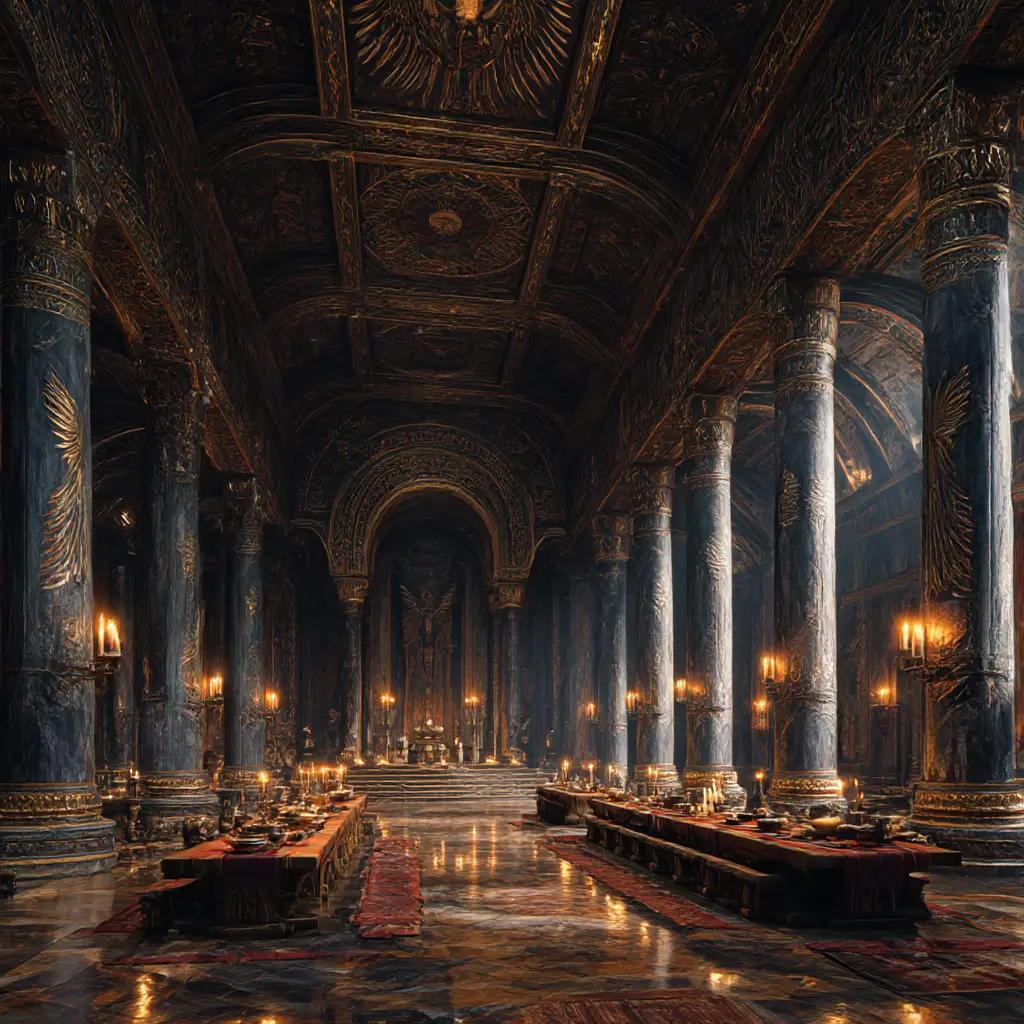
Gladsheim is the primary assembly hall of the Aesir and one of the most important buildings in Asgard. It is here that the gods meet to hold council, make laws, and decide matters affecting the cosmos. Gladsheim represents divine order and governance, and its presence emphasises that the Norse gods rule not only through strength, but through discussion, judgement, and agreement. Near Gladsheim stands the hall Vingolf, associated particularly with the goddesses.
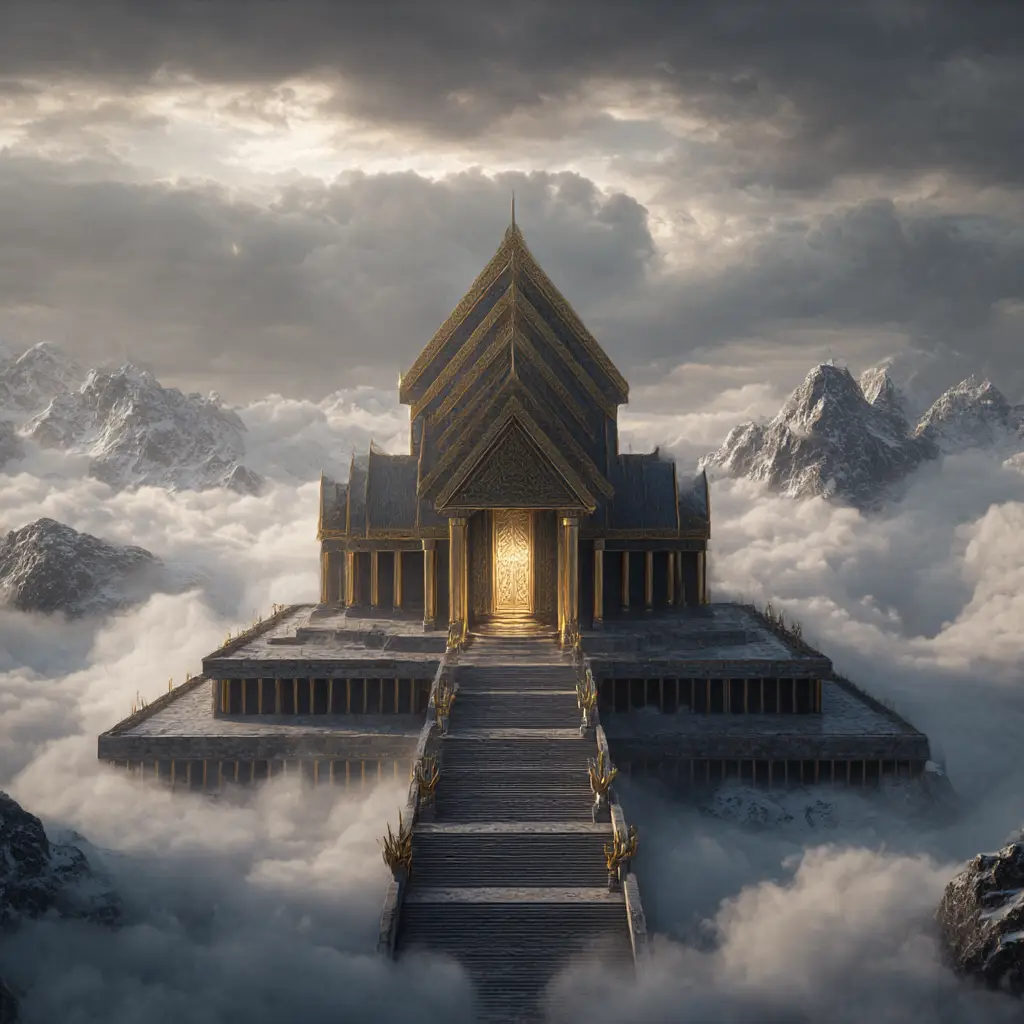
Valaskjalf is Odin’s high-seat hall and a place of observation and knowledge. It is famed for containing Hlidskjalf, Odin’s throne, from which he can look out across all the Nine Worlds. From this seat he observes the deeds of gods, humans, and giants alike. Valaskjalf symbolises Odin’s role as the god of wisdom, foresight, and watchfulness, and reflects the idea that knowledge often comes with distance and sacrifice.
Folkvangr is the field and hall of the goddess Freyja. Unlike common belief that all fallen warriors go to Valhalla, half of those slain in battle are chosen by Freyja and taken to Folkvangr. This makes her a powerful figure not only of love and fertility, but also of death and fate. Folkvangr is portrayed as a welcoming and noble place, reinforcing Freyja’s status as a goddess of both passion and authority.
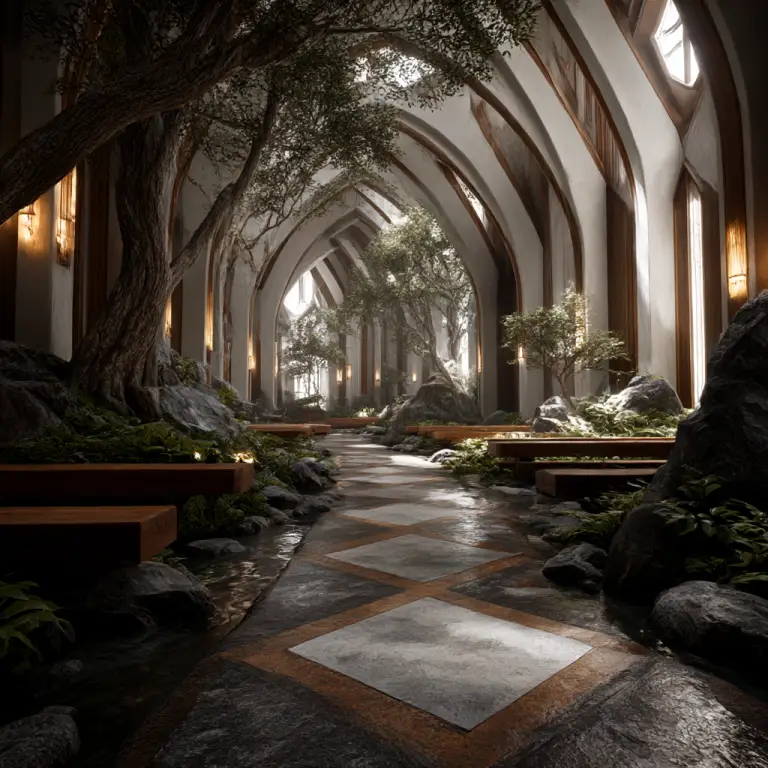
Breidablik is the hall of Baldr, the god of light, purity, and beauty. It is said to be the fairest place in Asgard, where nothing unclean or harmful can exist. Breidablik represents innocence, peace, and moral perfection. After Baldr’s death, the loss of Breidablik’s light becomes symbolic of the growing darkness leading towards Ragnarök.
Sessrumnir is Freyja’s great hall within Folkvangr. Its name suggests many seats, implying hospitality and abundance. Sessrumnir reflects Freyja’s role as a generous and powerful hostess to those she chooses, particularly the honoured dead. The hall reinforces the idea that Freyja’s domain rivals Odin’s in importance and splendour.
Glitnir is the hall of Forseti, the god of justice and reconciliation. It is described as shining with gold and silver, symbolising fairness, clarity, and truth. In Glitnir, disputes are settled peacefully, making it a contrast to the warlike halls of fallen warriors. This hall highlights the Norse value placed on law, mediation, and social balance.
Bilskirnir is the enormous hall of Thor, located in Thrudheim. It is said to have more rooms than any other building in Asgard. Bilskirnir reflects Thor’s strength, reliability, and connection to everyday life. While Odin rules through wisdom and prophecy, Thor protects gods and humans alike through direct action, and his hall represents power used in defence rather than dominance.
Fensalir is the hall of Frigg, queen of the Aesir and goddess of foresight, marriage, and motherhood. It is associated with mist, water, and quiet sorrow. Fensalir is especially linked to Frigg’s grief over the death of her son Baldr, making it a place of reflection and emotional depth. The hall represents domestic order, hidden knowledge, and the private burdens of the divine.
Himinbjörg stands at the edge of Asgard, near the bridge Bifrost. It is the home of Heimdall, the watchman of the gods. From Himinbjörg, Heimdall guards the approach to Asgard, ever alert to threats. His hall symbolises vigilance, boundaries, and the constant tension between order and chaos.
Sökkvabekk is the watery hall shared by Odin and the goddess Saga. It is described as a sunken place where cool streams flow. Here Odin and Saga drink together and exchange stories of the past. Sökkvabekk reflects memory, history, and the spoken word, showing the importance of storytelling and shared knowledge in Norse culture.
Ydalir is the hall of Ullr, the god associated with winter, archery, skiing, and duels. Its name suggests yew trees, traditionally used to make bows. Ydalir represents skill, honour, and survival in harsh conditions. Ullr’s quieter presence compared to other gods reflects older traditions and regional worship that persisted alongside the more prominent Aesir.
Together, these halls form Asgard’s spiritual and social landscape. Each one reflects a different aspect of Norse values, from warfare and justice to hospitality, memory, and vigilance. Asgard is not a single throne of power, but a complex world shaped by many divine roles, bound together in preparation for an inevitable and fated end.